U.S. Soy in Consumer Foods
Nourishing the world with essential nutrients for both people and animals
By 2050, the global population will reach an estimated 10 billion people. This population increase,
along with rising global income levels, is creating unprecedented demand for protein sources such
as soy. Sustainably produced U.S. Soy helps meet this need, providing valuable soybean protein
content, proven soy health benefits and the quality global buyers need to nourish growing markets.
Explore
Rising Demand for U.S. Soy
Soy is popular with consumers, and they’re buying more soy foods, not only in traditional soy foods markets such as Asia, but across the world. Several factors are driving continued demand:
- High-quality protein source. Population growth and a rising middle class are working in tandem to drive protein consumption.
- Soy health benefits. Soy may support heart health and provides complete protein. It aligns with consumer interest in foods that offer protein, fiber and other beneficial nutrients.
- Popularity in Asian cuisines. In addition to the significant demand for soy in Asian countries, there is a growing interest in Asian foods, flavors and trends globally.
- Alignment with consumer preferences. Soy offers an appealing option for consumers prioritizing foods for affordability or sustainability.
- Support from USSEC and proven market success. USSEC provides customized in-market support, creating product opportunities that fuel the global soy supply chain.
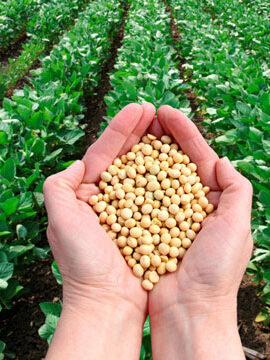
U.S. Soy provides the quality, reliability, functionality and versatility needed to produce high-demand soy foods.
Meeting Importer and Manufacturer Needs
U.S. Soy is uniquely positioned to provide a reliable supply for the importers and food manufacturers working to meet this high consumer demand.
- Largest exporter of specialty soy food beans in the world, with approximately 2 million acres of U.S. soybean production dedicated to specialty varieties of soy foods that are bred and grown for the soy food sector
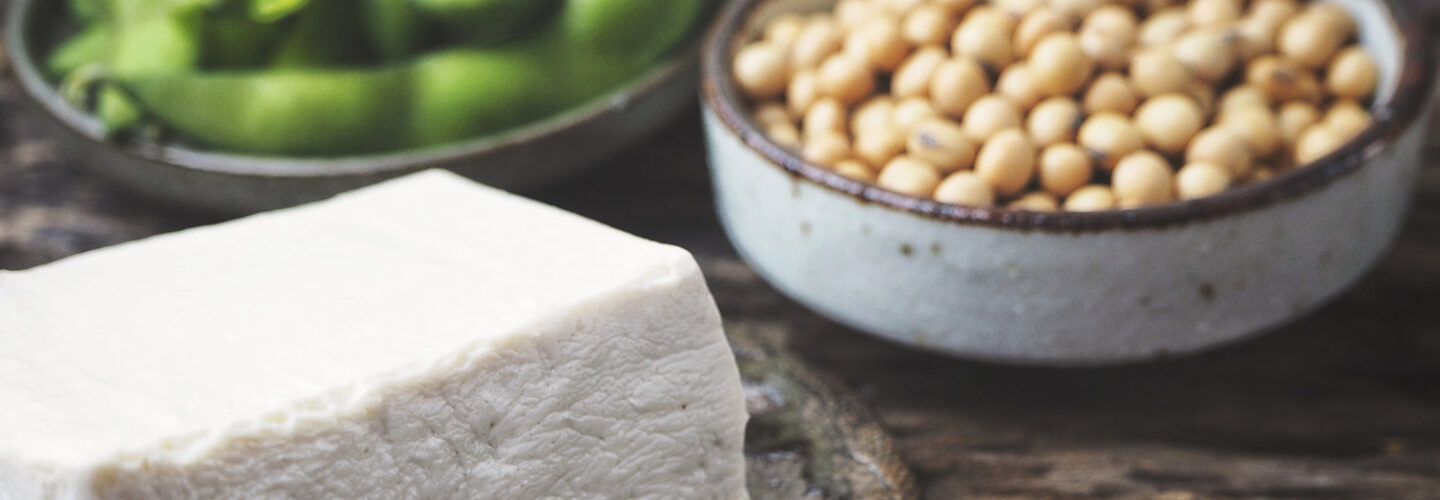
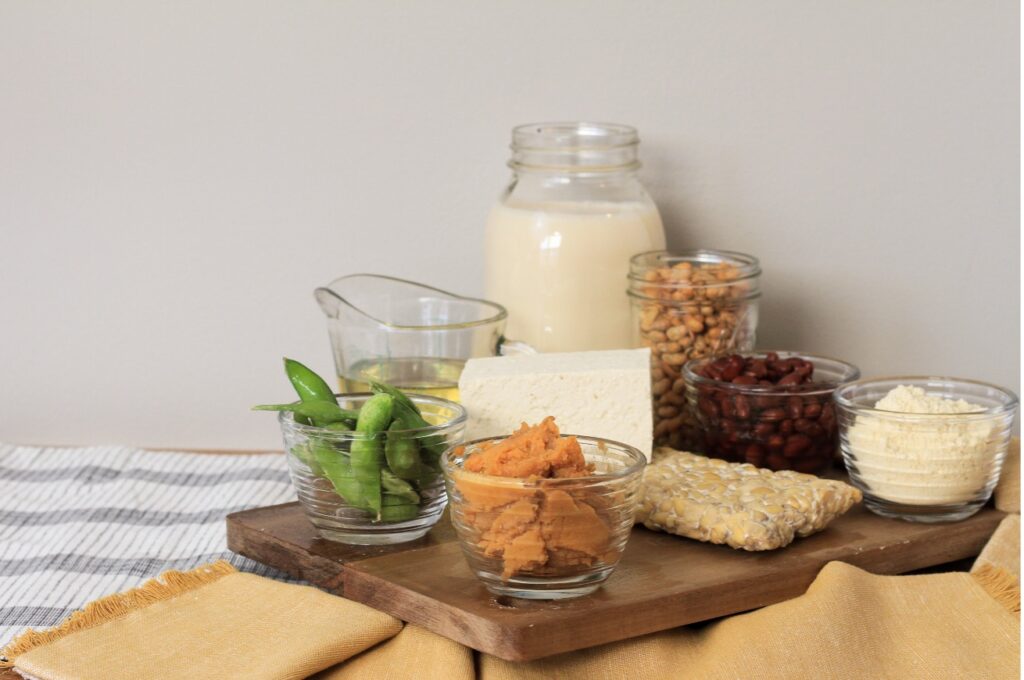
- A wide range of food-grade soybean varieties for tofu, soy milk, miso, natto, tempeh and other applications
- Quality attributes that support food production, including soybean protein content, amino acid profile, oil content, color and seed size
- Sustainable farming practices that help buyers meet consumer expectations for responsibly sourced ingredients
U.S. Soy also builds business relationships on trust and transparency. Long-standing collaborations – including 70 years of working with Japan, primarily a soy food market – demonstrate the value of our partnership.
Access U.S. Soy Tools and Resources
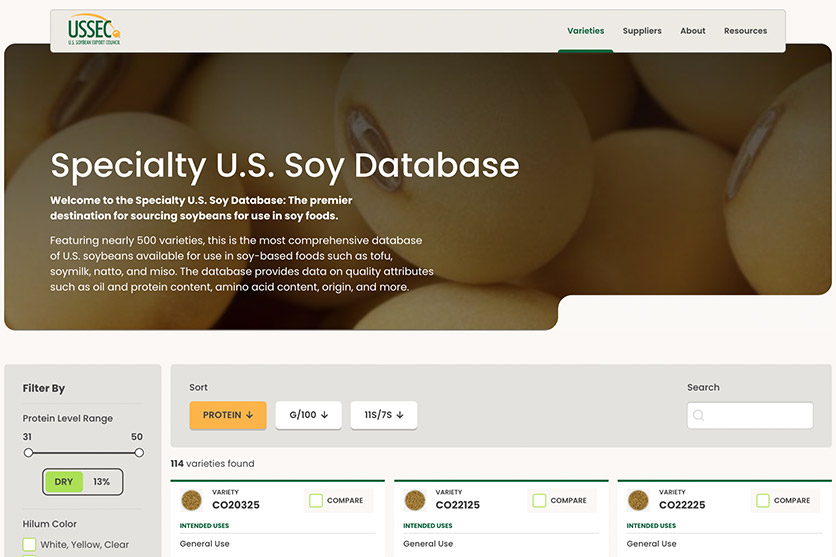
Source several hundred varieties of U.S. soybeans to use in soy products, with data on quality attributes such as oil and protein content, amino acid content, estimated yields and more.

Stay up to date on specialty soy crop progress in regions across the U.S. throughout the growing season, compiled in collaboration with industry partners.

U.S. Soy has the largest availability of non-GMO soybeans in the world and a diverse selection of varieties. Find information about U.S. production, end use and trends in non-GMO planting.
How U.S. Soy Is Used in Soy Foods
Soy protein is a high-quality, reliable and affordable ingredient that is easy to incorporate into foods and formulations. Its functionality and soy protein benefits make it valuable for traditional soy foods such as tofu, soymilk, miso, natto and tempeh, as well as newer products, including meat alternatives and other plant-based foods.
While soy foods can be made with many types of soybeans, the U.S. produces approximately 2 million acres of soybeans specifically for the soy foods sector. These beans are bred for characteristics that support high-quality production, including soybean protein content, seed size, color and other attributes important to food manufacturers.
Global Soy Foods Markets
The use of U.S. Soy is steadily expanding across global markets. The top market for soy foods is Asia, as it is the largest traditional market, rather than an ingredient market. For an in-depth look at how the Asian market consumes soy foods, check out USSEC’s Asia Soy Foods Report.
Soy Health Benefits and Nutrition
Soybeans are known for being rich in nutrients – and especially for their high protein content. Soy protein is a complete protein, containing all nine essential amino acids required to meet the nutritional needs of both children and adults. These soy health benefits make soy an important option for vegetarians, vegans and consumers seeking more plant-based protein.
A Superior Plant Protein
Not only is soy protein a high-quality protein comparable to animal protein, but it is also higher quality than nearly all other plant proteins. Soy protein’s benefits include1:
- Directly lowers blood cholesterol levels
- Has been shown to lead to similar gains in strength and muscle mass as supplementation with whey protein among individuals engaged in resistance exercise training
- In addition to protein, soy foods may provide folate, potassium and fiber
Soy Is Good for the Heart
Soy is a powerful protein with equally powerful potential to impact your health, with the following soy health benefits:
In fact, soy is the only plant protein that carries the U.S. Food and Drug Administration’s health claim confirming it may be able to reduce the risk of coronary heart disease.
Soy Benefits for Men
Men may be a growing potential market for soy foods. The research on soy’s impact on men’s health3 continues to create interest:
- Research has shown that soy is safe for men and may also provide health benefits.
- Clinical studies show that soy consumption does not affect male fertility.
- Soy protein promotes gains in muscle mass and strength equal to animal proteins.
Soy Benefits for Women
Soy foods offer many benefits to women, presenting an opportunity to develop and market new soy foods products with U.S. Soy.4
- Soy’s high-quality protein promotes satiety and may aid in weight management.
- Soy naturally contains compounds like isoflavones and vitamin E, which may help improve skin hydration, elasticity, and reduce wrinkles.
- In breast cancer survivors, soy intake is not associated with recurrence and may even offer a modest survival benefit. Numerous global health agencies have concluded that breast cancer patients can safely consume soy foods.
- Soy isoflavones may reduce the frequency and severity of hot flashes in perimenopausal women.
Soy foods are rich in isoflavones, intriguing research suggests soy isoflavones may provide include favorably affecting postmenopausal skin:4
- Reducing wrinkle depth
- Improving facial pigmentation
- Increasing hydration

U.S. Soy, Global Leader in Sustainability
Consumers worldwide continue to prioritize sustainability in their foods, and soy products are an excellent answer to those demands. U.S. soybean farmers follow sustainable farming practices, including conservation tillage, carbon sequestration and water conservation.
For soy food production, U.S. Soy stands out as the most sustainable source of plant protein globally.6 The carbon footprint of U.S. Soy is lower than:
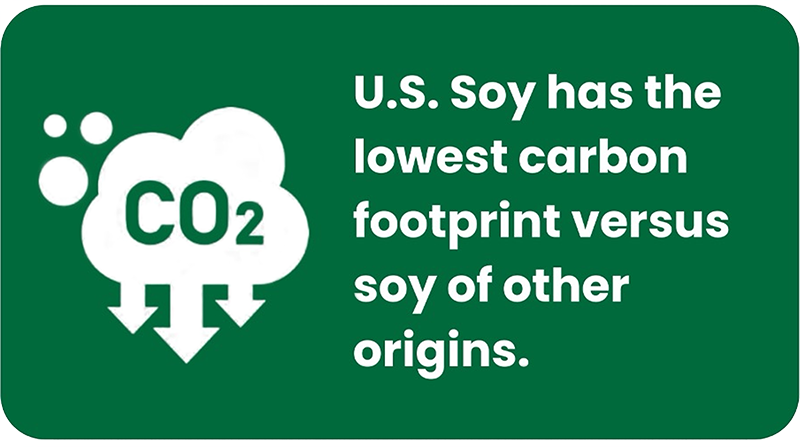
- Soy produced in Brazil, Argentina and Canada
- Other plant-based proteins like peas from Canada, Russia and France
- Chickpeas from Australia and India
- Broad beans from the European Union and Australia
Marketing to Your Customers
Using U.S. Soy has many benefits, and an important one is promoting it to your customers. Soy foods manufacturers can use the Sustainable U.S. Soy label on consumer-packaged soy products. The label is used to promote products produced using soy verified through the U.S. Sustainability Assurance Protocol.
1. https://sniglobal.org/soy-protein/
2. Legume and soy consumption and the risk of hypertension: a systematic review and dose–response meta-analysis of prospective studies. M. Metoudi, I. Sadler, S. Kassam and D. Aune BMJ Nutrition, Prevention & Health 2026. DOI: 0:e001449. doi:10.1136/bmjnph-2025-001449
3. Messina M, Duncan A, Messina V, Lynch H, Kiel J and Erdman Jr. JW (2022) The health effects of soy: A reference guide for health professionals. Front. Nutr. 9:970364. doi: 10.3389/fnut.2022.970364.
4. https://sniglobal.org/wp-content/uploads/2026/06/2026_SNIGlobal_WomensNutritionGuide_PMOS.pdf
5. Rizzo J, Min M, Adnan S, Afzal N, Maloh J, Chambers CJ, Fam V, Sivamani RK. Soy Protein Containing Isoflavones Improves Facial Signs of Photoaging and Skin Hydration in Postmenopausal Women: Results of a Prospective Randomized Double-Blind Controlled Trial. Nutrients. 2023; 15(19):4113. https://doi.org/10.3390/nu15194113
6. Merieux NutriSciences Blonk Agri-footprint