USSEC Academic Relationships Nourish Industry Knowledge
Education fuels innovation and improvement in any industry.
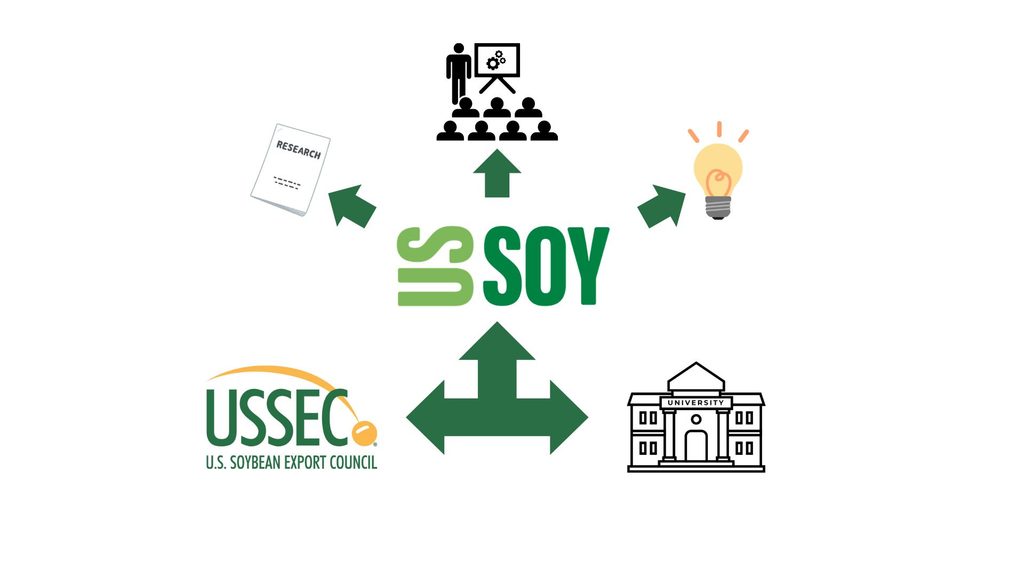
Higher learning aims to find answers to questions that spark new questions to answer, while sharing the knowledge gained at each step. USSEC’s strong relationships with universities around the world spark innovation and improvement within the global soy supply chain and connected protein industries.
“USSEC partners with universities to support industry research, which is common for associations,” says Colby Pinkstone, executive director of international strategy for USSEC. “But we collaborate with universities do so much more – from providing world-class training around the globe to launching efforts that foster industry-wide innovation.”
These relationships have a long track record of unlocking new potential within soybeans, protein production systems, food manufacturing and the people involved. Industries recognize and value how USSEC works with universities to invest in training and knowledge sharing.
“These partnerships also drive long-term demand for high-quality U.S. Soy,” she adds. “Our work with universities around the world identifies U.S. Soy as a critical component of providing protein for the world.”
Industry-Advancing Research
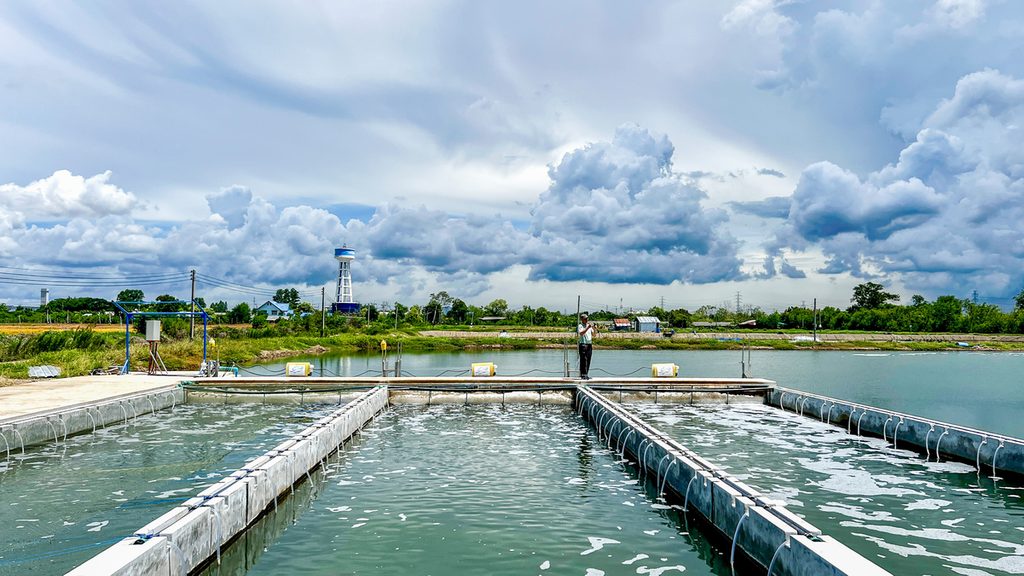
One of the most dramatic examples of this is USSEC’s partnership with Auburn University in the U.S. that led to the development, ongoing improvement and global adoption of the in-pond raceway system for the aquaculture industry. The system has transformed the way aquaculture producers manage space, stocking density, fish health and feeding across freshwater systems. It minimizes water use and waste, while increasing the use of U.S. Soy as an aquafeed ingredient and boosting production. Since the first system was installed in China in 2013, USSEC has worked with Auburn and other aquaculture experts to grow its use to thousands of units around the world.
USSEC funded dedicated research on the quality variation of soy based on production origin, led by an animal science professor at the University of Madrid in Spain. Mapping energy and protein levels from samples gathered through eight consecutive years revealed the differences in nutritional bundle and amino acid digestibility. Further USSEC analysis based on that research showed those differences can deliver $20 to $25 per metric ton in animal feed cost savings.1
“These are just two examples of the USSEC’s research partnerships that have and will continue to improve the efficiency of protein production,” Pinkstone says. “Our team members around the world can share more details on research aimed at helping U.S. Soy customers improve.”
Cutting Edge Training
USSEC’s Soy Excellence Center program equips early to mid-career professionals in underserved regions with knowledge and practical skills to better steward their businesses and serve customers. Training offerings for participants around the world have been developed in partnership with university experts from institutions like Auburn and Kansas State University in the U.S., Cairo University in Egypt, Universidad Zamorano in Honduras and Universidad Nacional Agraria La Molina in Peru. Offerings cover topics like feed milling, aquaculture, poultry production, swine production and soy food processing.
“Our Soy Excellence Centers conduct hundreds of trainings and events each year,” Pinkstone says. Through this program, thousands of participants gain access to practical university-level knowledge they can apply on the job.”
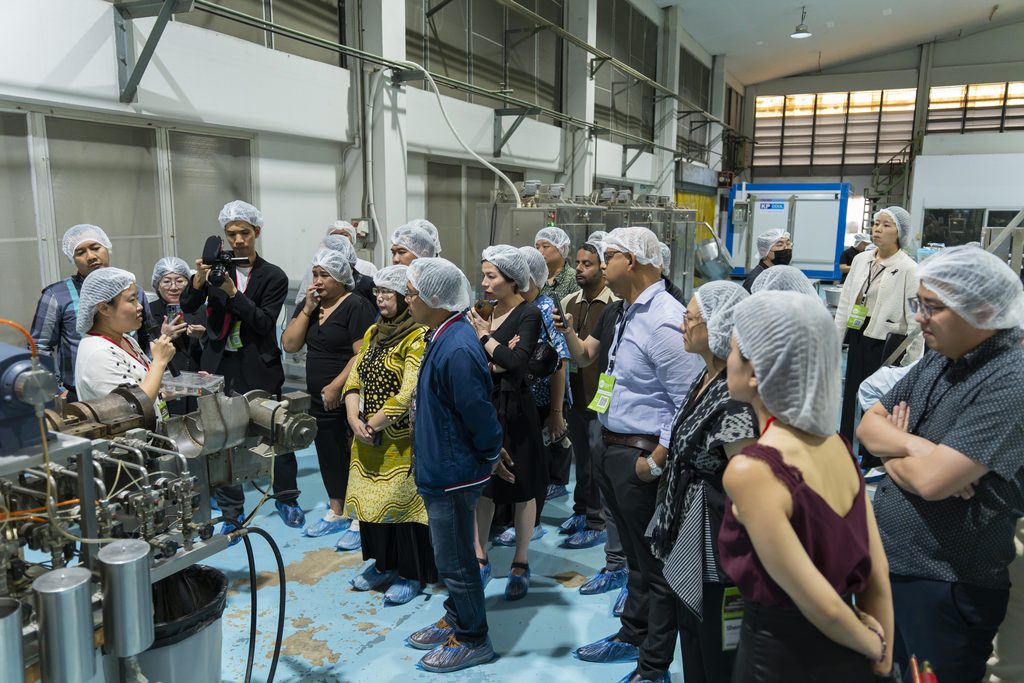
For example, Soy Excellence Center Asia has hosted its Soy Food Product Development Intermediate Course at Kasetsart University’s Institute of Food Research and Product Development in Bangkok, Thailand. USSEC has partnered with Kasetsart University over the years, and conducting the course at its facilities marked a meaningful step in deepening this collaboration and expanding access to highly practical learning environments.
USSEC’s Soybean Oil Masters, which was started in Japan, has expanded to an international effort highlighted by in-person training hosted in Indianapolis, Indiana, each year. Program tours often include visits to nearby Purdue University.
“Speakers at countless USSEC technical training conferences and seminars include university professors who are experts in their fields,” Pinkstone adds. “We lean into our university relationships to bring the best information possible to current and future U.S. Soy users.”
Unique Collaboration
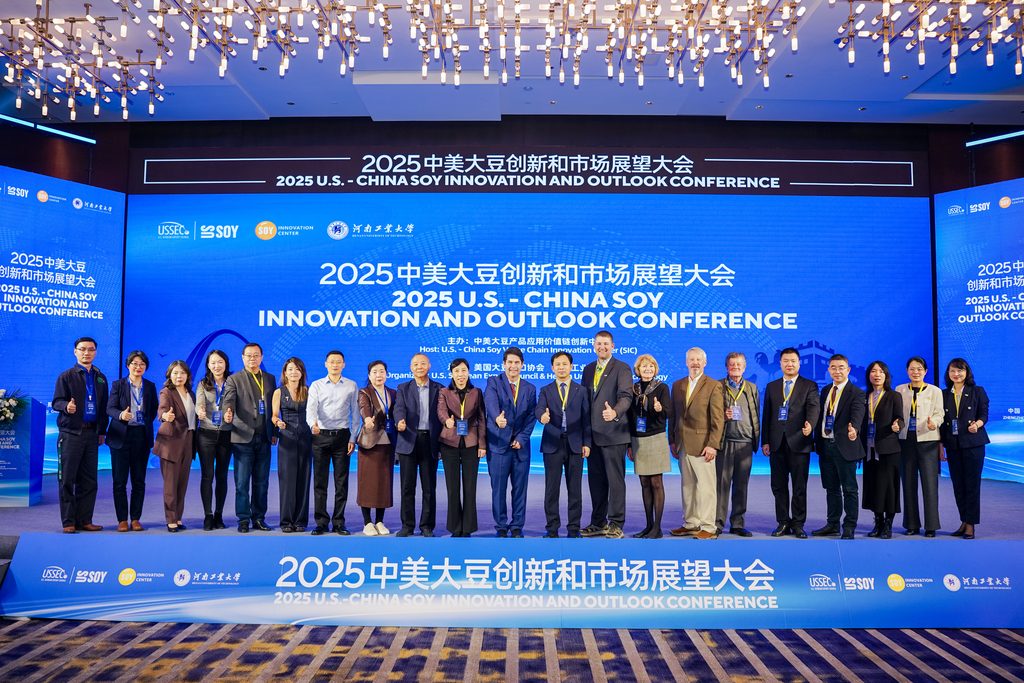
USSEC works with universities to foster even deeper industry innovation. The U.S.-China Soy Innovation Center, launched in 2023 with Henan University of Technology, advances soybean science – from animal nutrition to soy foods. It showcases and promotes innovations in soybean applications through technical training and industrial practice. Its training programs encourage industry-wide dialogue to spark innovation. They also explore the economic and social benefits of the soy value chain.
University collaborations also allow visiting trade teams to maximize the value of their time in the United States. When developing itineraries for specific teams, USSEC includes time for team members to participate in industry-specific short courses hosted at U.S. universities. For example, many visiting trade teams with a soy foods focus have attended Northern Crops Institute short courses, hosted at North Dakota State University in Fargo, North Dakota. At times, trade teams attending the annual International Production & Processing Expo (IPPE) in Atlanta will also attend a poultry course at the University of Arkansas.
“We have a rich history of strong, deep university partnerships,” Pinkstone says. “The fact that these relationships go beyond research promotes continuous improvement within the soy value chain and the industries that rely on it. I look forward to seeing future advancements that flow from our ongoing collaborations.”
Partially funded by the Soy Checkoff.
1 Quantifying the value of soybean meal in poultry and swine diets, M. Pope, et. al., Journal of Applied Poultry Research 33(2):100337, 2024