USSEC Relationships Nourish Soy Sales Connections
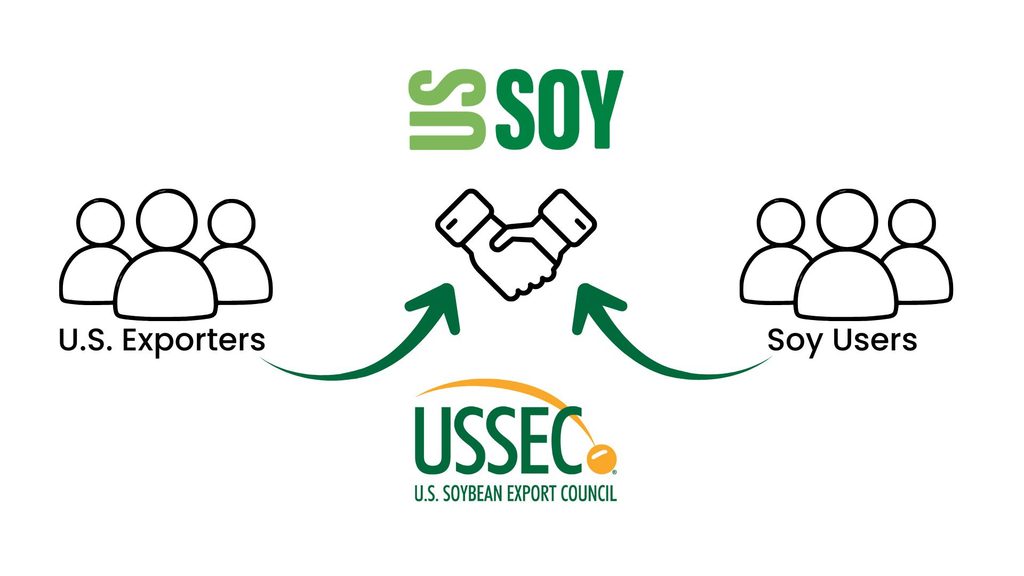
For the economic concept of supply and demand to work, buyers and sellers need to connect with each other and agree on how to manage transactions.
“That can be more challenging than expected, even in established industries like those that rely on the soy supply chain,” says Colby Pinkstone, executive director of international strategy for USSEC. “Every day, the USSEC team draws on our deep network of relationships, especially our exporter class of member companies, to make introductions and ease the process of getting high-quality, sustainable U.S. Soy to those who use it.”
USSEC curates connections that help soy suppliers and buyers in the global marketplace do business. From introducing companies for potential partnerships and enabling meetings to helping them navigate obstacles and avoid pitfalls, USSEC relationships support U.S. Soy sales.
Forging Connections
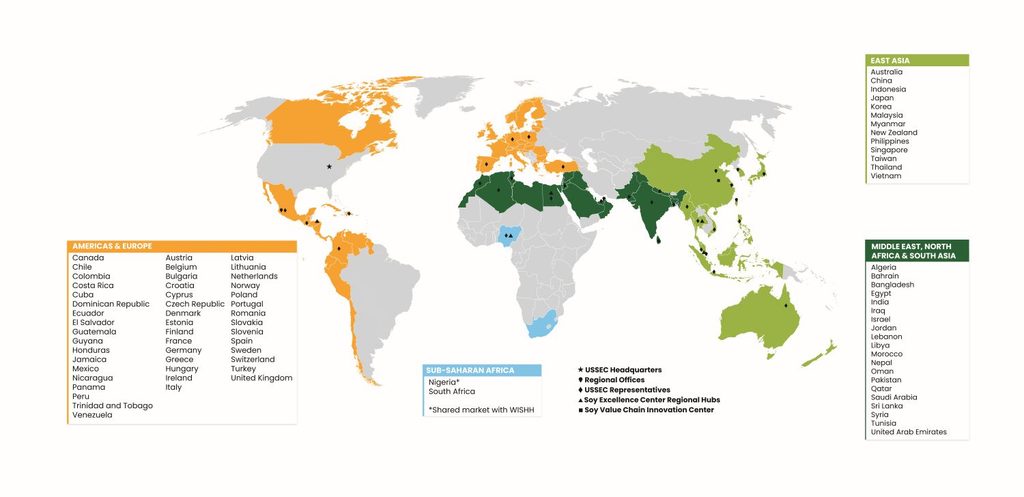
Poultry farms in Algeria. Shrimp producers in Ecuador. Independent tempe makers in Indonesia. Feed mills in Poland. These and countless other businesses need soybeans, soybean meal or other soy products. They are most likely to find local contacts in their quest for new or additional suppliers.
“Most of the USSEC team lives and works from key markets for U.S. Soy,” Pinkstone says. “We engage in industry organizations and participate visibly in events so that those looking for soy suppliers can find us.”
Roughly half of USSEC’s membership is comprised of U.S. Soy exporters and merchandisers. USSEC team members can link searching businesses directly to potential suppliers. Conversely, when USSEC export class members aim to expand strategically to a new market, they rely on the USSEC team to introduce them to potential customers.
Strengthening Relationships Face-to-Face
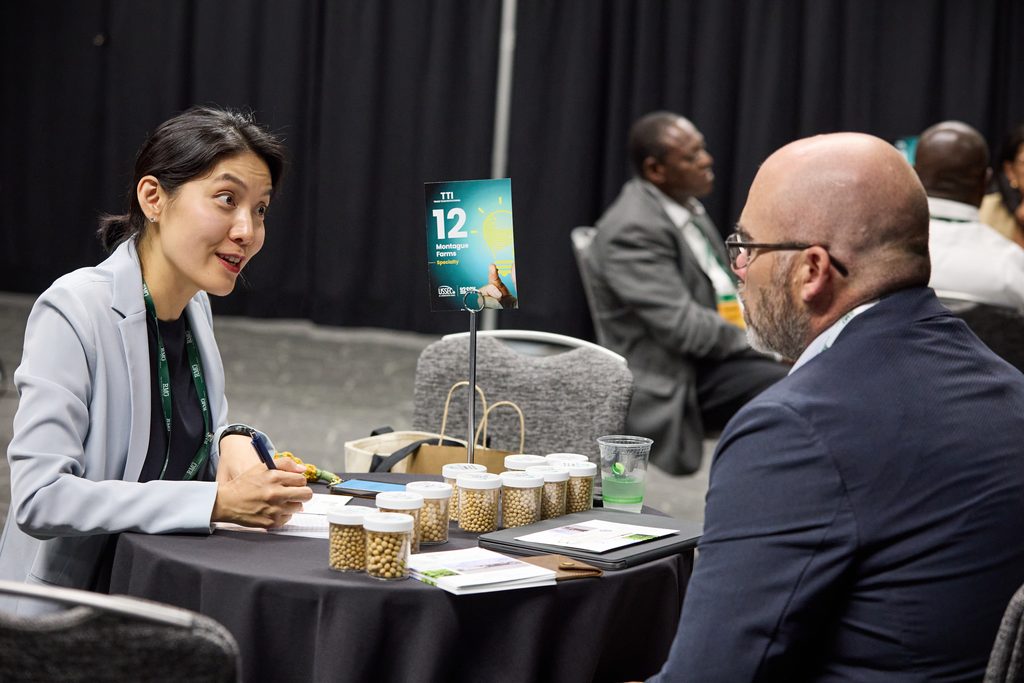
As current and potential business partners establish sales relationships, USSEC intentionally makes space for those relationships to grow. In-person interaction builds trust and strengthens communications.
“Our large events like regional Buyers Conferences and Soy Connext intentionally include opportunities for U.S. Soy customers and suppliers to meet,” Pinkstone says. “Our trade show booths at Gulfood, the International Production and Processing Expo, the China International Import Expo and similar events also include meeting spaces for our members to use.”
These meetings range from initial in-person introductions to opportunities to sign contracts, and every intermediate step in sales negotiations.
When USSEC supports trade teams of U.S. Soy customers visiting the U.S., itineraries often include visits to exporters. Participants gain first-hand knowledge and insight into how their suppliers handle soy products, deepening trust and confidence.
Overcoming Obstacles
USSEC support extends beyond connecting buyers and sellers to helping them manage transactions. When unexpected obstacles arise, the USSEC team seeks to work through them.
For example, when Pakistan suspended acceptance of GMO soybeans, USSEC worked closely with the Pakistan Poultry Association and All-Pakistan Solvent Extractors’ Association and their members to educate government officials, clarify misconceptions and reverse the ban. Though the interruption lasted two years, USSEC played a critical role in restoring market access – and allowing buyers and sellers to stay connected during the pause.
“Pakistan is an extreme example, but our team helps resolve challenges with product quality, logistics, financing and more,” Pinkstone says. “Such issues can be better tackled together when customers and suppliers already trust each other.”
Creating and advancing such relationships lies at the heart of USSEC’s work to maximize end-user access to U.S. Soy and U.S. Soy access to markets around the world.
“By nurturing relationships, our team ensures that our export members can get high-quality, sustainable U.S. Soy to those who need it,” she adds. “On the foundation of these relationships, we build win-win opportunities throughout the soy supply chain.”
Partially funded by the Soy Checkoff.