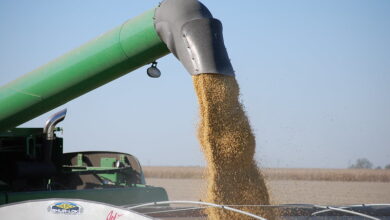

U.S. Soy in Animal Nutrition
Soybean meal (SBM) is a key ingredient in feed rations throughout the global ag industry, supplying important nutrients to support animal nutrition and performance objectives. Most commonly used in poultry feed nutrition, SBM is also a staple in ruminant feed rations and swine feeding and nutrition. Additionally, SBM is used in aquaculture as well and has gained popularity in pet food nutrition around the world.
Soybean meal derived from U.S. Soy, offers a superior nutritional bundle compared to SBM from other origins. Your customers receive greater value thanks to four key qualities of whole soybeans grown in the U.S.:
Quality
Consistency
Amino acid profile
Energy content
Additionally, soybean meal derived from U.S. Soy is regarded as a sustainable animal feed solution, helping you address increased focus on environmental impact.
Soybean oil plays a more secondary role in animal nutrition. However, its high fat content makes it a good feed addition for producers who are focused on feed efficiency and growth performance.
Species-specific Uses of U.S. Soy
Want to learn more about the species-specific role U.S. Soy plays in animal nutrition? Take a closer look at these applications:
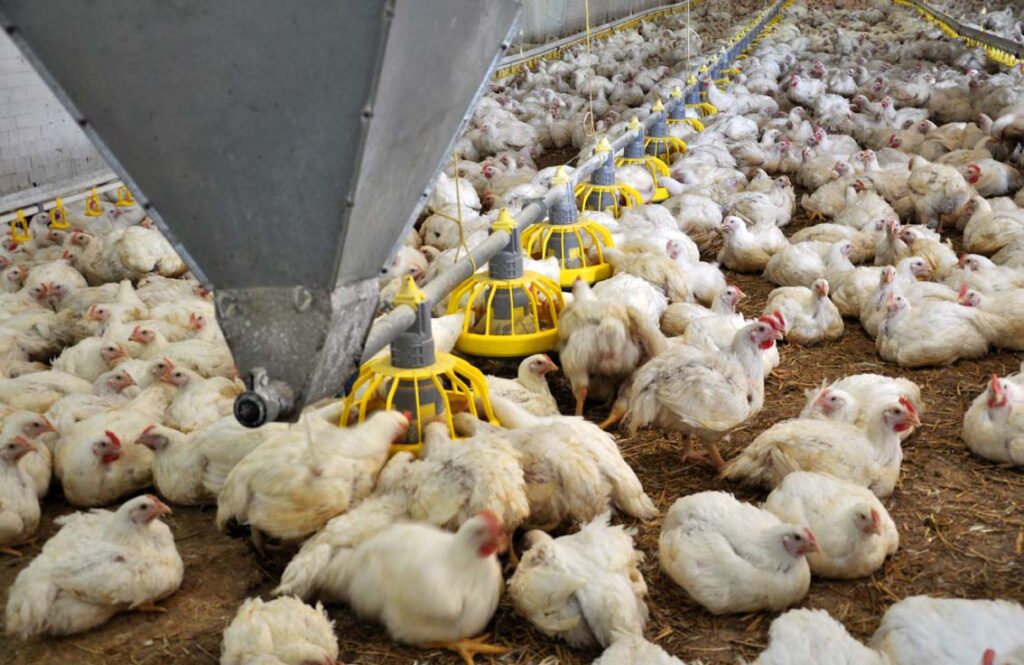
Poultry
Poultry producers rely on high-quality soybean meal derived from U.S. Soy to meet the nutritional needs of broilers and laying hens. Soybean meal is a complete source of protein for poultry feed nutrition that requires little amino acid supplementation. In fact, the amino acid profile of SBM is ideal for rapid muscle development and egg production.
Soybean meal is not the only soy-derived addition to poultry rations. Nutritionists also recommend full-fat soybeans (FFSB) that have gone through an extrusion process at an inclusion rate of up to 30% in poultry feed to boost animal performance. Soybean oil can also be mixed into rations to supplement fat and energy needs.
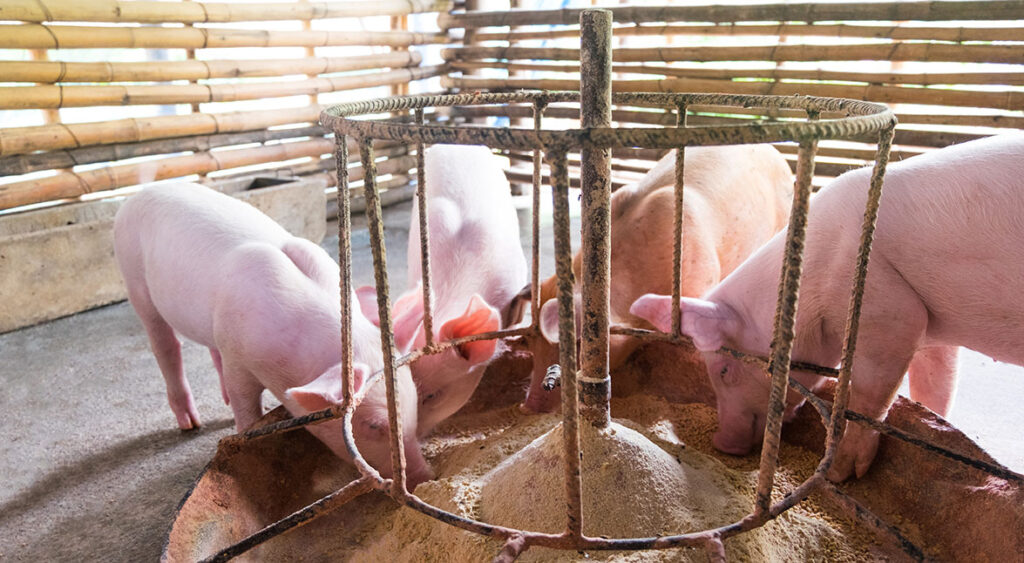
Swine
Pig farmers see performance gains in terms of feed conversion, average daily gain (ADG) and cost per unit liveweight using soybean meal derived from U.S. Soy in rations at up to 35% inclusion rates. SBM’s amino acid profile gives it a significant advantage by promoting a high degree of digestibility for swine. Unlike poultry diets, however, swine diets relying on SBM for protein needs may need to supplement with synthetic amino acids to secure optimal feed conversion rates.
Soy can also positively impact gut health in weaned pigs. Specialized soy products like soy protein concentrate (SPC) may be used in starter diets to adjust for sensitivity to certain antinutritional factors of SBM in younger pigs.
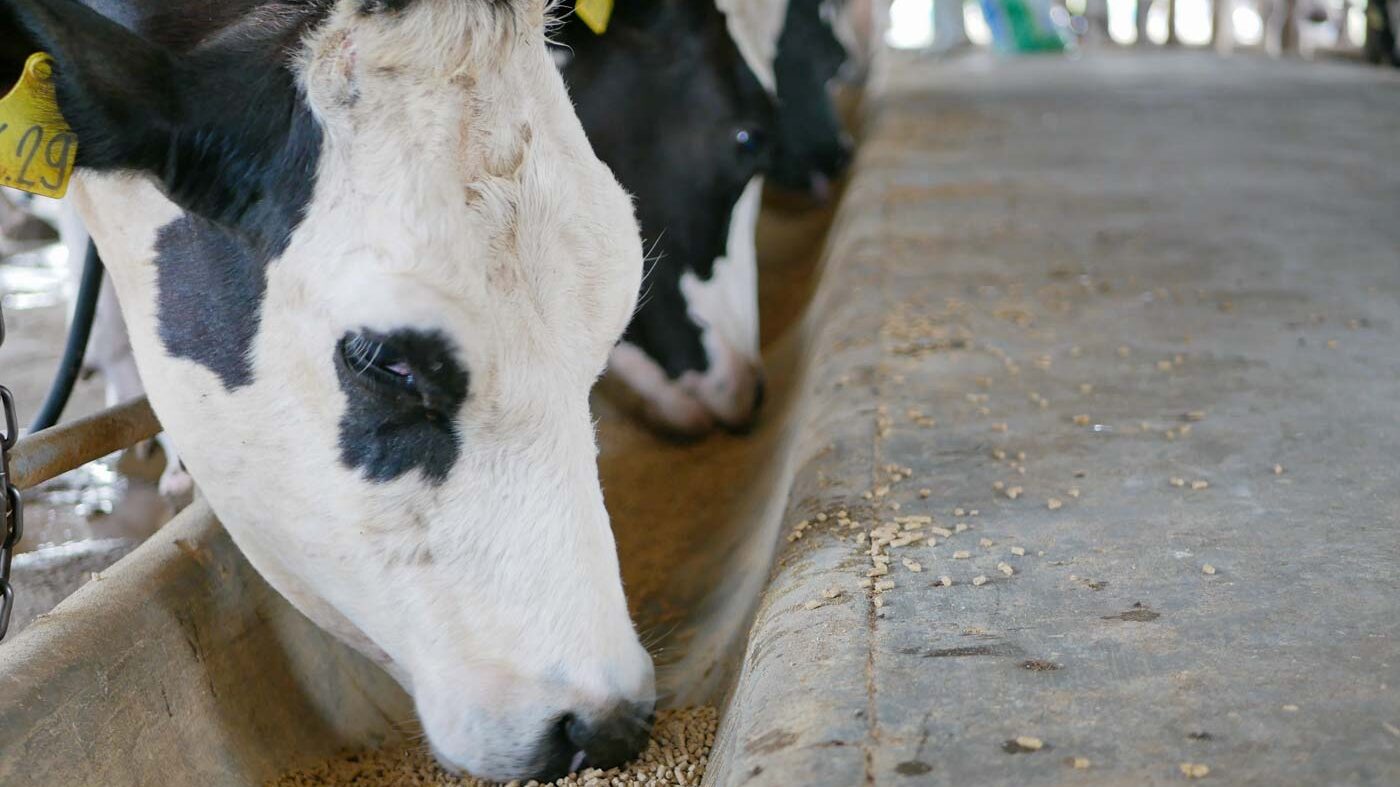
Ruminants
Ruminant feed rations enhanced by protein-rich U.S. In ruminant diets, microbial protein cannot satisfy amino acid needs without additional support. Soybean meal delivers both rumen-degradable protein (RDP) to feed microbial populations and rumen-undegradable protein (RUP) to supply amino acids directly to the animal’s bloodstream.
Pet Food
U.S. Soy products are commonly used to meet protein needs in pet food formulations for dogs, rabbits, hamsters, birds, fish and more. Soy also delivers fiber content for pet food nutrition and contributes to emulsification and kibble structure. Specialty soy products like SPC and soy protein isolate (SPI) can boost protein intake without relying solely on animal protein.

Aquaculture
USSEC plays a role in educating aquaculture nutritionists on how to sustainably feed a wide variety of aquatic species. Aquaculture feed can contain some of the highest levels of SBM and other soy products, such as fermented soy.