USSEC Relationships Nourish Current and Future U.S. Soy Exports
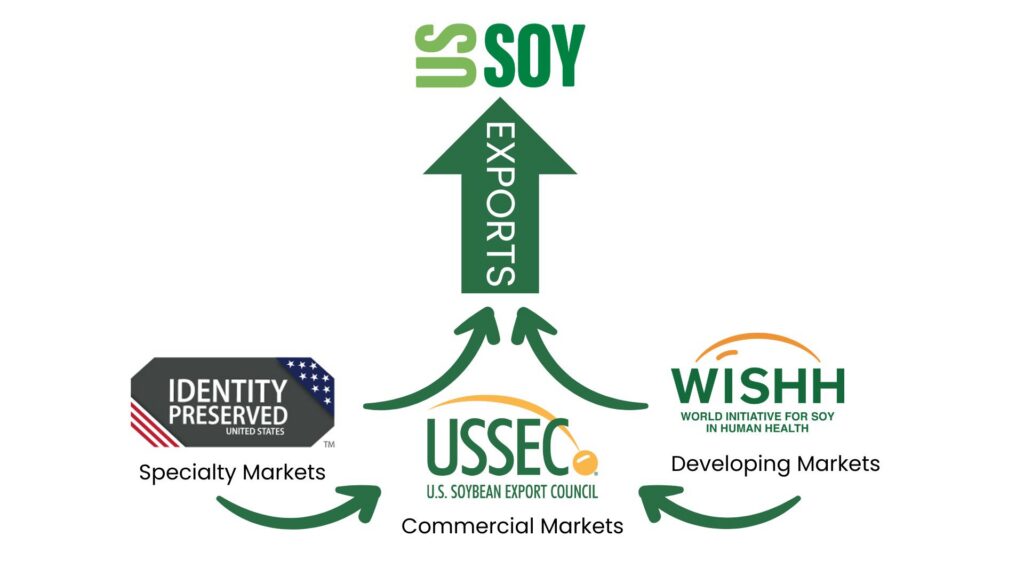
The versatility of U.S. Soy gives it incredible potential to increase food and nutrition security around the world. To fully realize that potential, especially when serving very use-specific markets or creating new demand within emerging economies, USSEC partners with organizations tasked with overlapping missions.
“In markets that need identity-preserved (IP) soy, USSEC collaborates with the United States Identity Preserved Alliance, or USIP,” says Colby Pinkstone, executive director of international strategy for USSEC. “Previously known as the Specialty Soya and Grains Alliance, USIP shares USSEC’s goal of differentiating and elevating a preference for U.S. Soy, in addition to other IP products.”
In developing and early emerging markets, the World Initiative for Soy in Human Health, or WISHH, develops initial demand and industry sectors. WISHH serves as a catalyst for U.S. Soy exports in these markets, connecting a country’s development to trade.
“USSEC provides support to the WISHH team should market access issues arise,” she explains. “As a country develops and the demand becomes more established, marketing efforts transition from WISHH to USSEC.”
These partnerships help grow U.S. Soy exports, both immediately and long-term.
Serving the Soy Food Industry with USIP
USIP represents companies within supply chains that deliver traceable, high-quality, variety-specific commodities to food markets around the world. Those markets include soy foods like tofu, soy milk and natto, which usually require specific soybean varieties.
In this area of overlap, USSEC and USIP create synergies for the entire supply chain, from farmers and exporters to importers and food manufacturers. For example, both groups promote the Specialty U.S. Soy Database, the premier resource for identifying and sourcing soybeans for soy foods.
“USIP often provides subject matter expertise on IP soy at USSEC events,” Pinkstone notes. “Conversely, USSEC often provides broader market context and insight for USIP events and activities.”
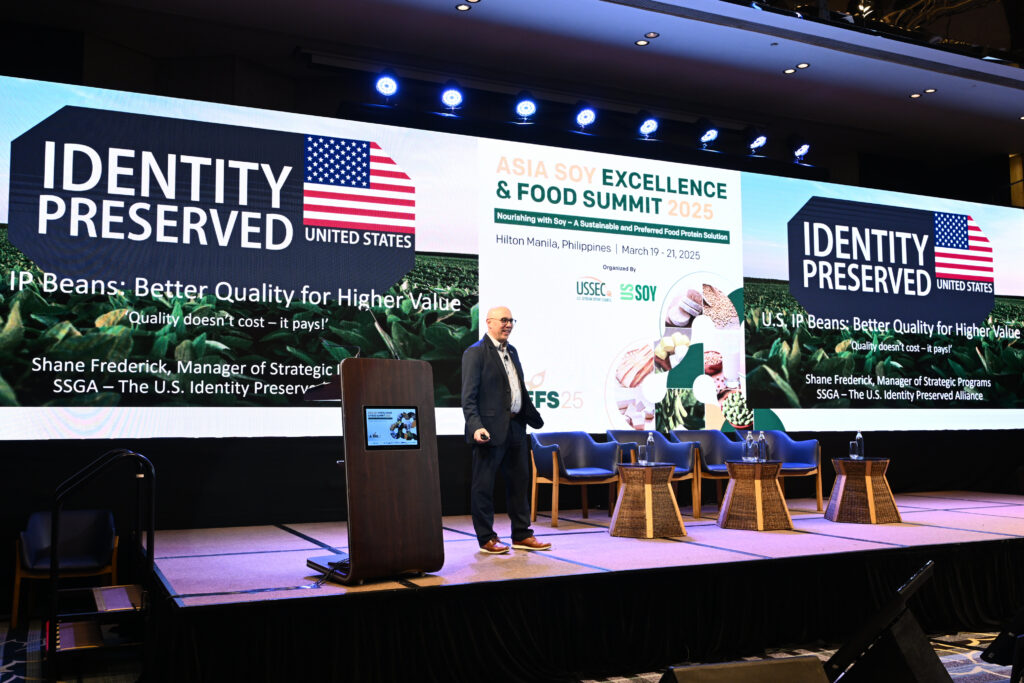
For key events, like the annual Asia Soy Excellence and Food Summit, USSEC works closely with USIP to gather key soy foods industry leaders and encourage engagement across the supply chain.
“Participants value USIP’s half-day workshop on IP soybeans and presentations that have been part of this event,” she says. “Together, our teams foster meetings between buyers and suppliers that create new connections and business opportunities, contributing to the industry’s growth.”
Developing Industries and Soy Markets with WISHH
WISHH tracks trends in protein demand in developing economies. In markets with no current U.S. Soy market but the most long-term potential, WISHH guides and fosters business development with local entrepreneurs, connecting them to U.S. Soy and partners to help develop their businesses. These efforts improve food security, while ultimately creating new demand for U.S. Soy and driving trade.
“USSEC focuses on all phases of global commercial markets,” Pinkstone explains. “WISHH concentrates on developing and early emerging markets – with both organizations working to maximize international demand for U.S. Soy.”
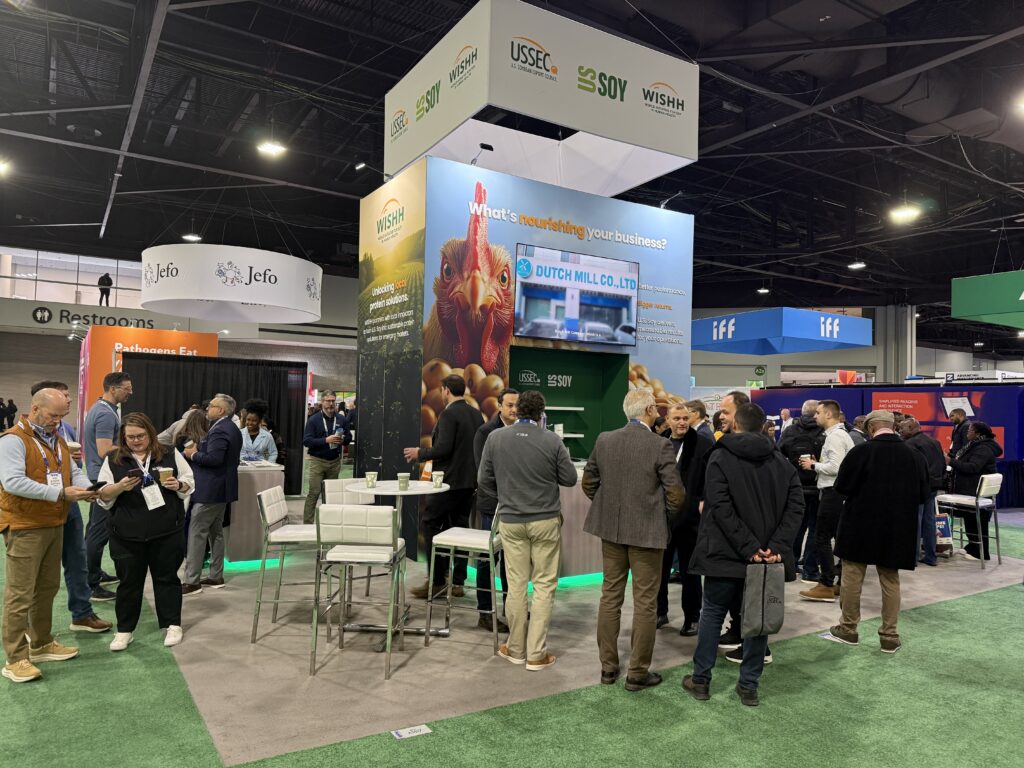
For example, WISHH is fostering the development of aquaculture in Cambodia, while introducing soy protein as an aquafeed ingredient. To promote poultry industry development in Ghana, Kazakhstan, Kenya and Senegal, WISHH helped trade team partners participate in the University of Georgia’s International Poultry Short Course, to improve industry best practices, including strong soybean meal inclusion rates in feed. Then the group attended the International Production & Processing Expo (IPPE), where WISHH and USSEC shared a tradeshow booth.
As markets develop enough to successfully import U.S. Soy products for consecutive years, they transition to working with USSEC. For example, WISHH helped food manufacturers in Costa Rica, El Salvador, Guatemala and Sri Lanka use U.S. Soy to make more nutritious foods and beverages. Those markets have stabilized to the point that in 2026, they transitioned to working with USSEC.
“Our partnership with WISHH creates a framework to find, build, grow and then maintain new markets for U.S. Soy,” Pinkstone says. “We work together to identify target markets and opportunities and then use our distinct expertise to best deploy resources on behalf of U.S. Soy farmers.”
In unique markets, like Nigeria, both organizations work with specific industries. USSEC leads outreach to poultry and crush industries and promotes Soy Excellence Center training for early and mid-career protein professionals. WISHH leads initiatives to develop the aquaculture and soy food industries in this rapidly growing country.
“USSEC works closely with USIP and WISHH to provide unique industry support in specialty markets and emerging markets,” Pinkstone summarizes. “Together, we are creating and elevating a preference for U.S. Soy that will translate into value-added sales today and greater demand tomorrow.”
Partially funded by the Soy Checkoff