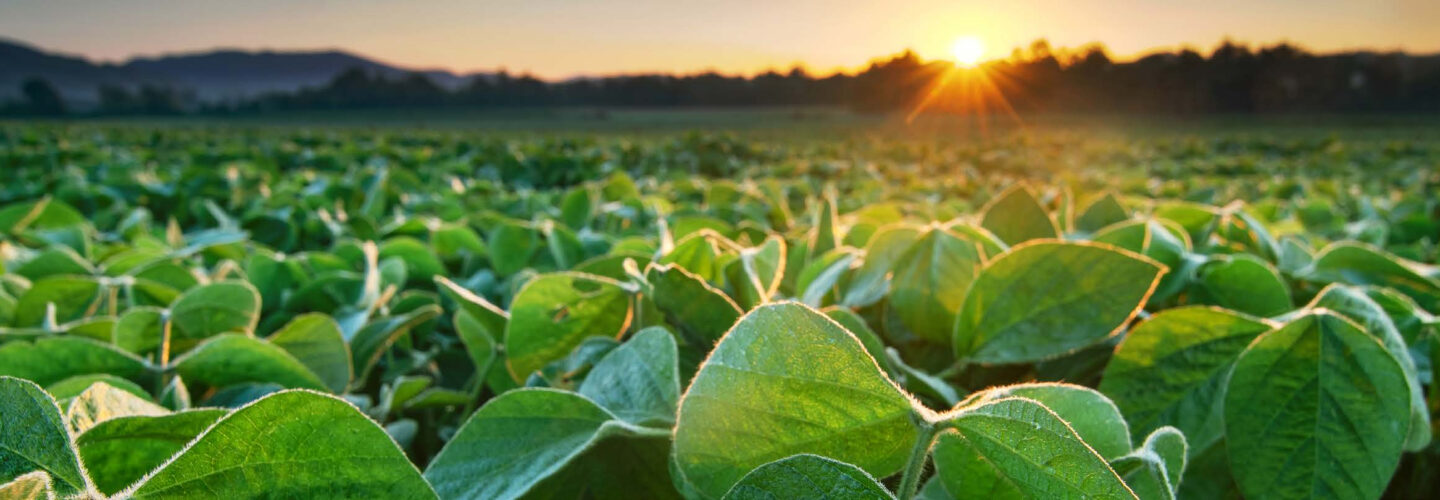
U.S. Soy Celebrates 70 Years of Partnership with Japan
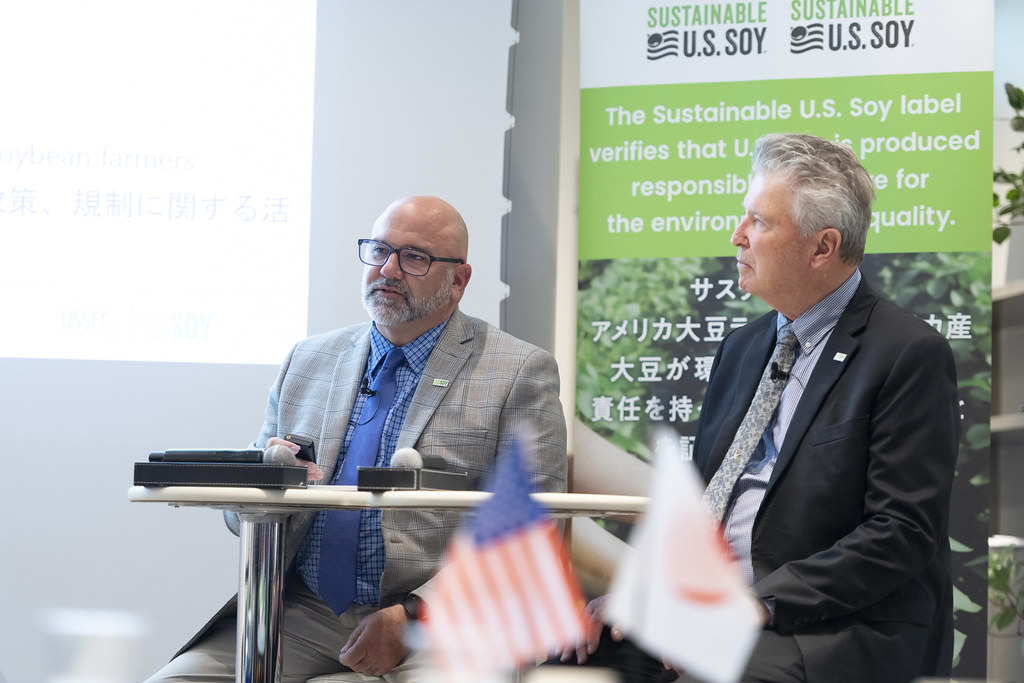
USSEC commemorated 70 years of partnership between U.S. Soy and Japan at a milestone anniversary event in Tokyo. The celebration, titled “U.S. Soy & Japan: 70 Years of Partnership and Progress,” highlighted the enduring relationship that has supported Japan’s tofu, natto and soy foods industry for seven decades.
The event brought together leaders from Japan’s tofu and natto associations, soy food manufacturers, technical experts and U.S. soybean farmers. The program featured keynote remarks, industry discussions and a sustainability‑focused session exploring shared priorities in responsible sourcing, innovation and long‑term supply chain resilience.
A Partnership Built on Trust and Quality
For seven decades, U.S. Soy and Japan have built a relationship defined by reliability, quality and mutual respect. About 93% of Japan’s soybeans are imported, and the U.S. consistently supplies around 70% of whole soybeans – underscoring the confidence Japanese buyers place in U.S. Soy.1
Trade momentum continues to strengthen. Total U.S. soybean commitments to Japan are up 8% this crop year, while soybean meal commitments have increased 125%, representing an additional 214,000 metric tons.2
New MOUs Strengthen Technical Collaboration
To mark the anniversary, USSEC signed two Memoranda of Understanding (MOUs) with the Japan Tofu Association and the Japan Natto Cooperative Society Federation. These agreements reaffirm the close relationship between U.S. Soy and Japan’s soy foods sector and outline deeper collaboration in areas such as food‑grade soybean utilization, technical exchange, supply chain transparency, and sustainability verification through U.S. Soy programs.
“Japan’s tofu and natto industries set a very high bar for quality, and U.S. soybean farmers have worked for decades to support those standards,” said Jim Sutter, CEO, USSEC. “These MOUs deepen our technical cooperation and reaffirm a trusted relationship built on reliability, transparency, and continuous improvement.”
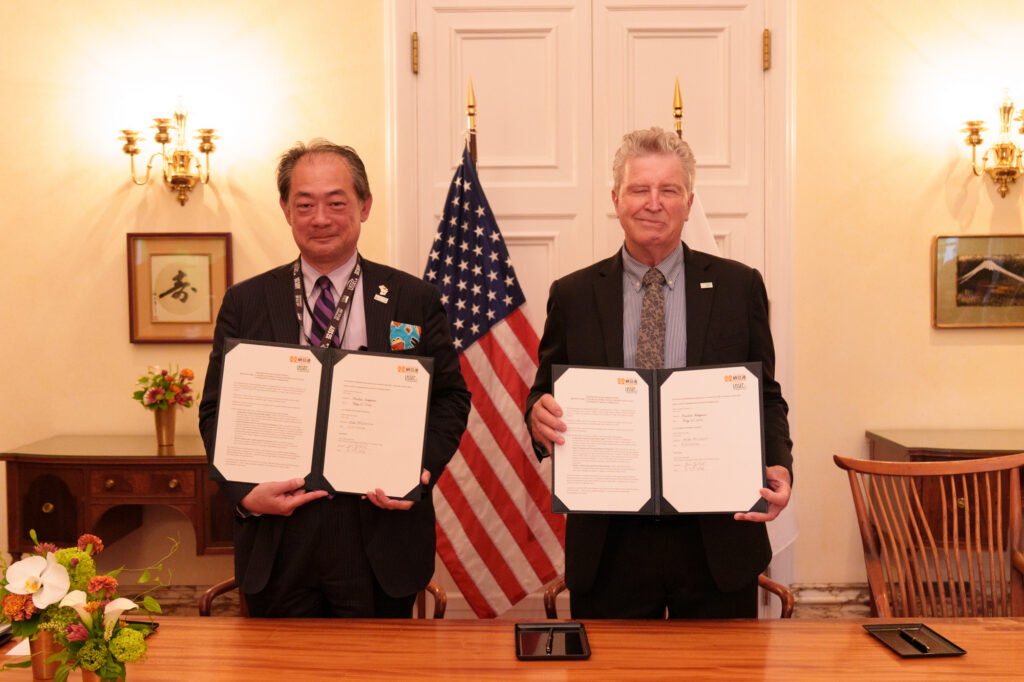
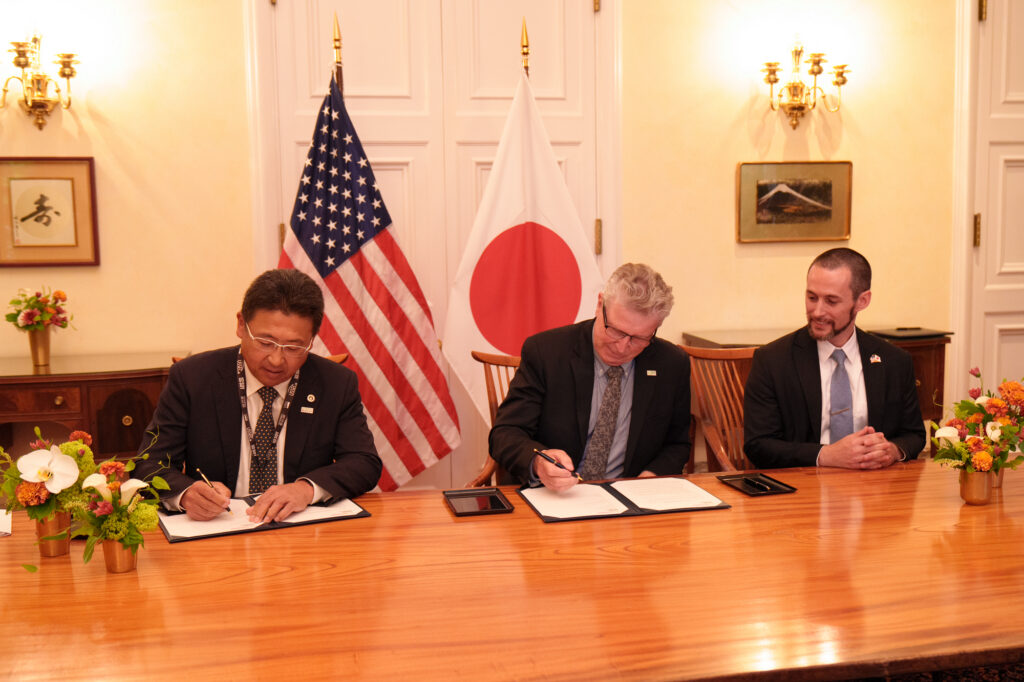
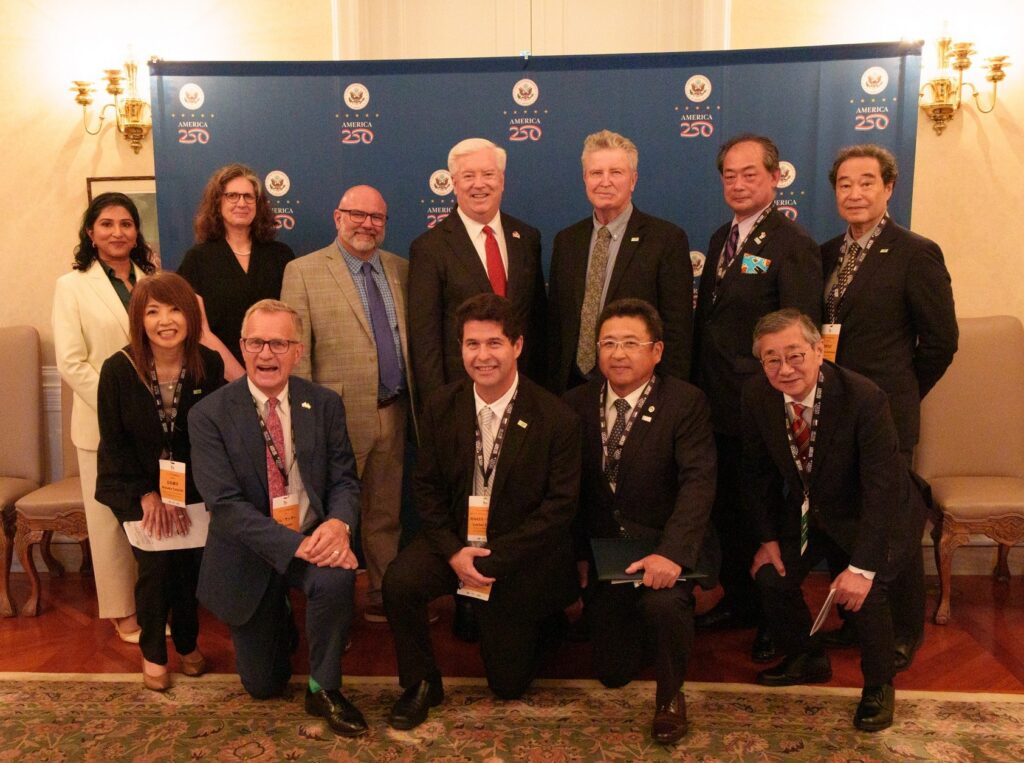
USSEC signed two MOUs with the Japan Tofu Association and the Japan Natto Cooperative Society Federation, reaffirming long‑standing cooperation in Japan’s soy foods sector.
Sustainability and Innovation at the Center
U.S. soybean farmers continue to lead in sustainable agriculture, adopting practices that reduce environmental impact while improving productivity. Programs such as the U.S. Soy Sustainability Assurance Protocol (SSAP) and the Sustainable U.S. Soy label provide verified sustainability that aligns with Japan’s growing focus on responsible sourcing, transparency and corporate ESG commitments.
These efforts support Japan’s soy foods manufacturers as they prioritize traceability, environmental stewardship and long‑term supply chain resilience.
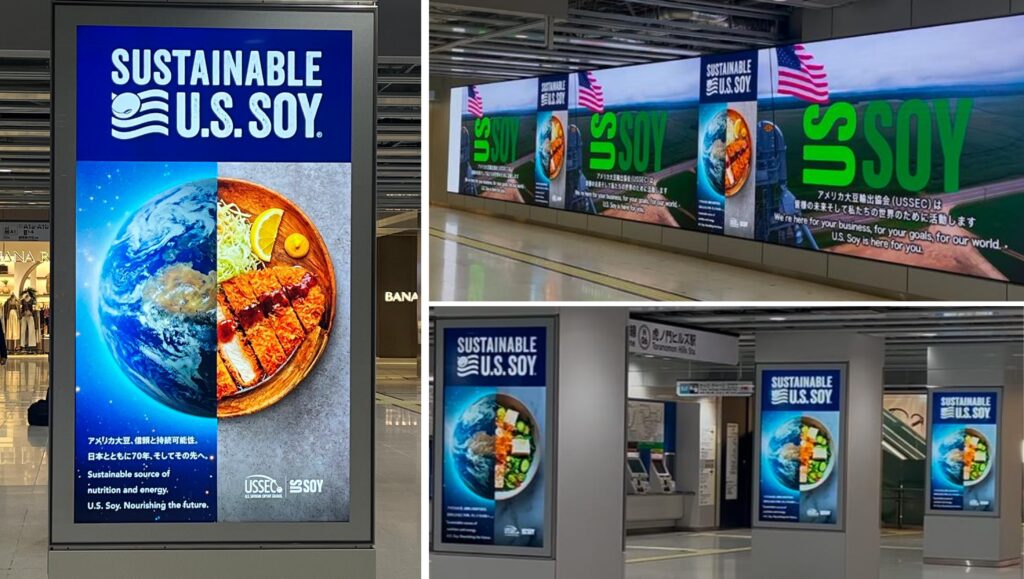
A Market Defined by Quality and Long-Term Partnership
Japan’s soy foods market remains one of the most sophisticated and quality‑driven in the world. Consumption of tofu, natto, soy beverages and other soy‑based foods continues to evolve alongside rising interest in health, nutrition and plant‑based diets. Growing global appreciation for Japanese cuisine is also supporting the expansion of premium soy ingredients.
U.S. Soy’s consistent quality, traceability and dependable supply chain make it a preferred partner for Japan’s manufacturers. With long‑term demand projected to remain steady through 2030, opportunities for deeper technical and sustainability collaboration remain significant.3
“As Japan’s soy foods sector continues to innovate and respond to changing consumer expectations, U.S. Soy remains committed to supporting this momentum,” said Carlos Salinas, Executive Director – East Asia, USSEC. “The next chapter of cooperation will focus on advancing sustainability, strengthening technical exchange and ensuring long‑term supply chain reliability.”
Partially funded by the Soy Checkoff.
1 USDA Foreign Agricultural Service Production, Supply and Distribution, January 2026
2 USDA FAS Export Sales through Week Ending May 7, 2026, Japan, Soybeans (801) and Soybean Cake
and Meal (901), calculated as compared to May 7, 2025
3 USDA Agricultural Projections to 2030, USDA, February 2021