Partnering for Progress: U.S. Soy and Southeast Asia’s Tilapia Industry
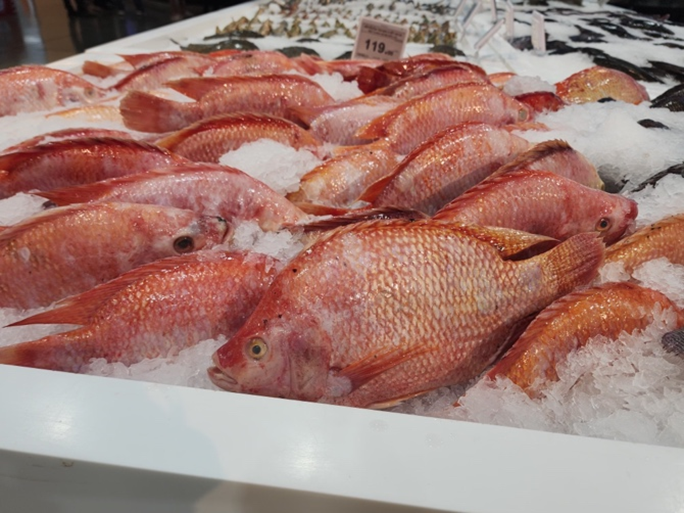
Global tilapia production has reached more than 7 million metric tons in recent years, with Asia accounting for the majority of output – around 4.6 million tons1.
Southeast Asia is home to some of the world’s leading tilapia producers – including Thailand, Indonesia, the Philippines, and Vietnam – each contributing to the region’s growing role in global aquaculture. Tilapia has become a vital species for regional food security and export diversification.
“As demand for responsibly produced seafood continues to grow, Southeast Asia has a unique opportunity to strengthen its tilapia industry through collaboration and innovation,” said Carlos Salinas, Executive Director – East Asia, USSEC. “U.S. Soy is committed to supporting this progress by sharing expertise, promoting sustainable feed solutions, and building stronger connections across the aquaculture value chain.”
Efficiency and Sustainability in Feed
As feed represents more than half of total production costs2, efficiency and sustainability remain key to industry success. Soybean meal, which typically comprises 35–45 percent of tilapia feed formulations3, plays a vital role in achieving balanced nutrition and performance. U.S. Soy, known for its consistent quality and verified sustainability, supports producers in meeting global market expectations while enhancing profitability and environmental outcomes.
Backed by the U.S. Soy Sustainability Assurance Protocol (SSAP), U.S. Soy delivers reliable, traceable, and responsibly produced ingredients that help aquafeed manufacturers meet environmental and market standards. Initiatives such as the ‘Fed with Sustainable U.S. Soy’ (SUSS) label further reinforce transparency and sustainability in the value chain, requiring that at least 60 percent of soy in feed rations is sustainably sourced from verified U.S. Soy.
Building Regional Capacity and Collaboration
As Southeast Asia’s aquaculture industry continues to evolve, producers are prioritizing efficiency, genetics, and feed quality to remain competitive. Recognizing these opportunities, the U.S. Soybean Export Council (USSEC) collaborates with government agencies, feed manufacturers, and hatcheries to strengthen capacity and promote responsible aquaculture practices aligned with international standards.
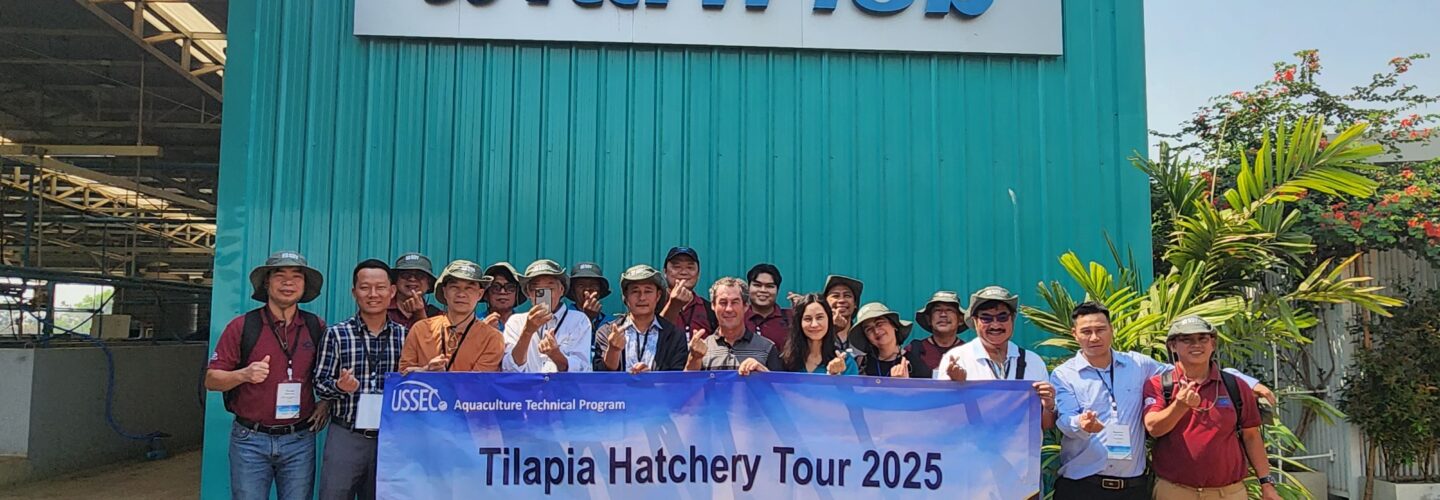
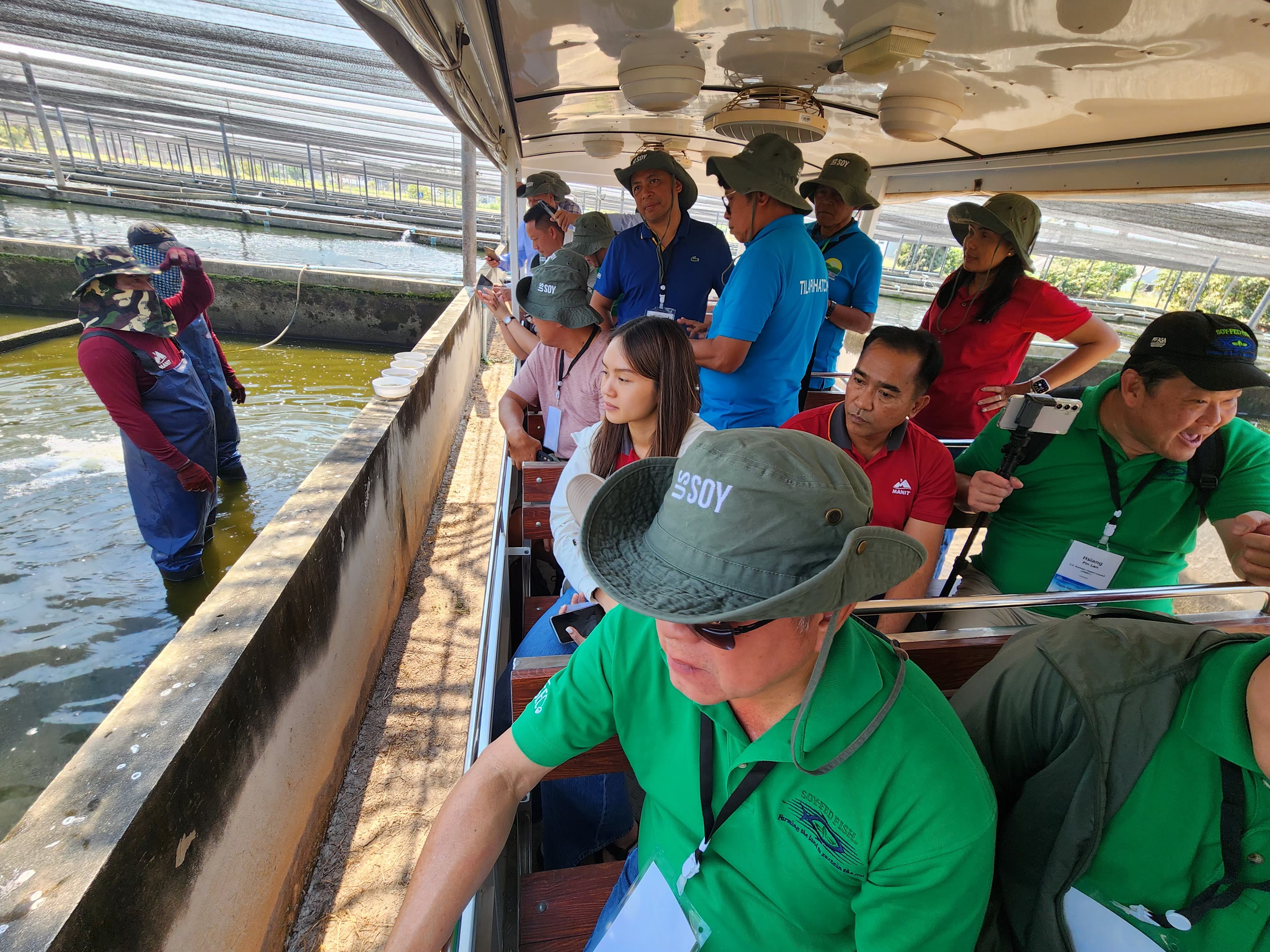
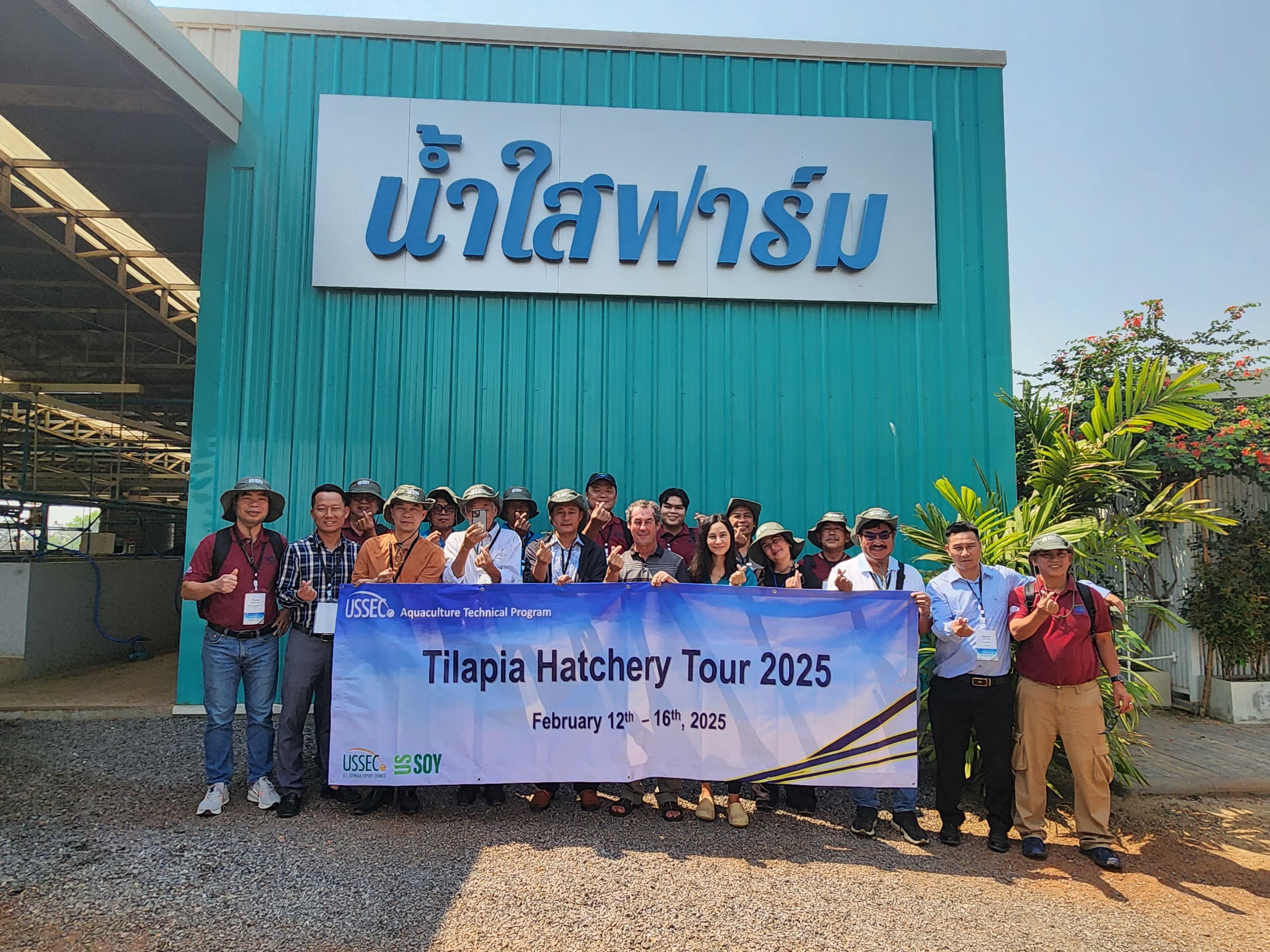
Earlier this year, the USSEC Southeast Asia Aquaculture team organized a tilapia hatchery tour in Thailand, where participants from across the region observed best practices in broodstock management, fingerling production, and water quality control. These exchanges help producers enhance hatchery performance and demonstrate the benefits of U.S. Soy–based aquafeeds, valued for their reliability and sustainable performance.
“Across Southeast Asia, the tilapia industry is advancing through strong partnerships and a shared commitment to efficiency and responsible feed ingredients,” said Lukas Manomaitis, Technical Director – Aquaculture, USSEC Southeast Asia & Oceania. “USSEC supports growth in the tilapia sector by strengthening value chain connectivity – linking producers, feed manufacturers, and other stakeholders to foster collaboration and shared progress. Through this approach, USSEC promotes U.S. Soy’s consistent quality and verified sustainability, which helps producers achieve higher performance while meeting global standards for traceability and responsible sourcing.”
Regional Collaboration for a Stronger Tilapia Industry
Across Southeast Asia, producers, feed manufacturers, and allied organizations are recognizing the need for stronger regional coordination to sustain the sector’s growth. Recent stakeholder dialogues facilitated by USSEC have led to a shared interest in forming the Southeast Asia Tilapia Association (SEATA) – a proposed platform to enhance collaboration, competitiveness, and knowledge exchange within the industry.
The initiative seeks to bring together commercial producers, researchers, and policymakers under a common vision for sustainable aquaculture and market development. Discussions on SEATA’s establishment will continue at TILAPIA 2025, where industry leaders will explore ways to strengthen cooperation and reaffirm tilapia’s role as a preferred fish for farming and consumption.
Driving Competitiveness Through Sustainability
Across global seafood markets, environmental and ethical production standards are increasingly tied to competitiveness. Verified sustainability certifications demonstrate compliance and traceability – key requirements for access to major markets. By adopting responsible practices and sustainable feed ingredients such as U.S. Soy, producers strengthen their operational efficiency and environmental stewardship. Technical programs such as the In-Pond Raceway System (IPRS) promote precision nutrition and efficient water use, improving productivity while reducing environmental impact4.
TILAPIA 2025
USSEC is a co-organizer of the 5th INFOFISH World Tilapia Trade and Technical Conference & Exhibition (TILAPIA 2025) in Bangkok, Thailand. The event brings together global producers, researchers, and policymakers to exchange insights shaping the sector’s future, including discussions on the proposed Southeast Asia Tilapia Association (SEATA) and regional collaboration on sustainability. Visit https://tilapia.infofish.org/ for more information.
This article was funded by the USDA Regional Agricultural Promotion Program
[1] FAO GLOBEFISH (Issue 4/2024)
[2] FAO Tilapia Feed Formulation Guide (2019)
[3] USSEC Aquaculture Feed Formulation Guide (2021)
[4] USSEC IPRS Manual: https://ussec.org/wp-content/uploads/2025/07/USSEC_2022_IPRS_Manual_220120_Web.pdf).