Introducing Mike McCranie, USSEC Chair for 2026-27
USSEC is pleased to introduce Mike McCranie, USSEC’s Chair for 2026-27.
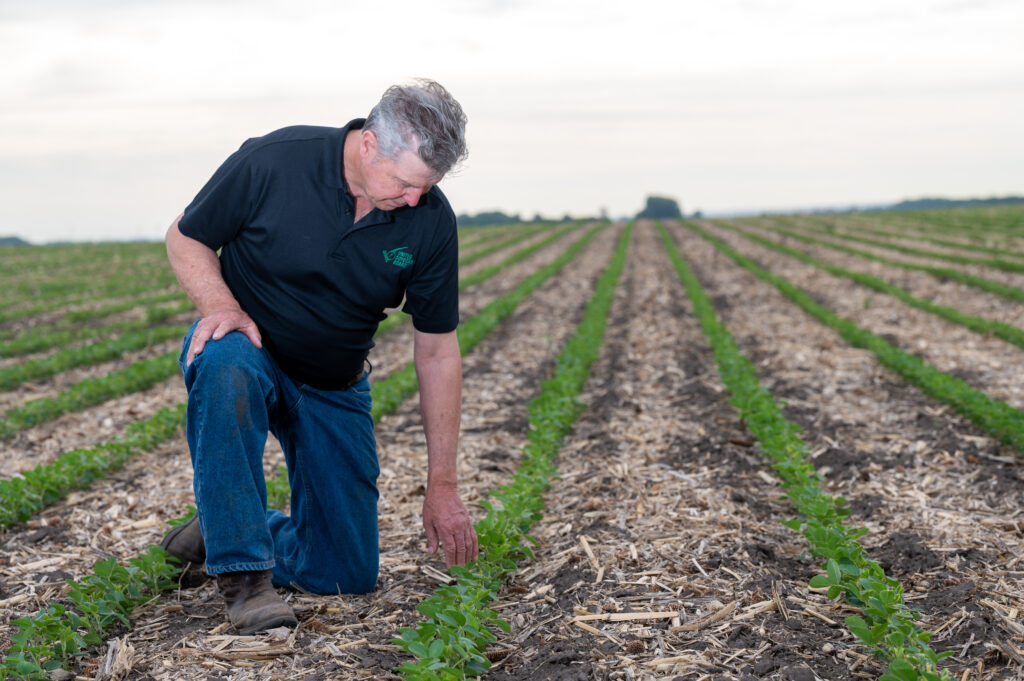
A fourth-generation farmer, McCranie is the first-ever Chair from South Dakota. He farms with his wife, Monica, and their sons, Matthew and Mitchell, producing soybeans and corn in a 50/50 rotation and prioritizing sustainability.
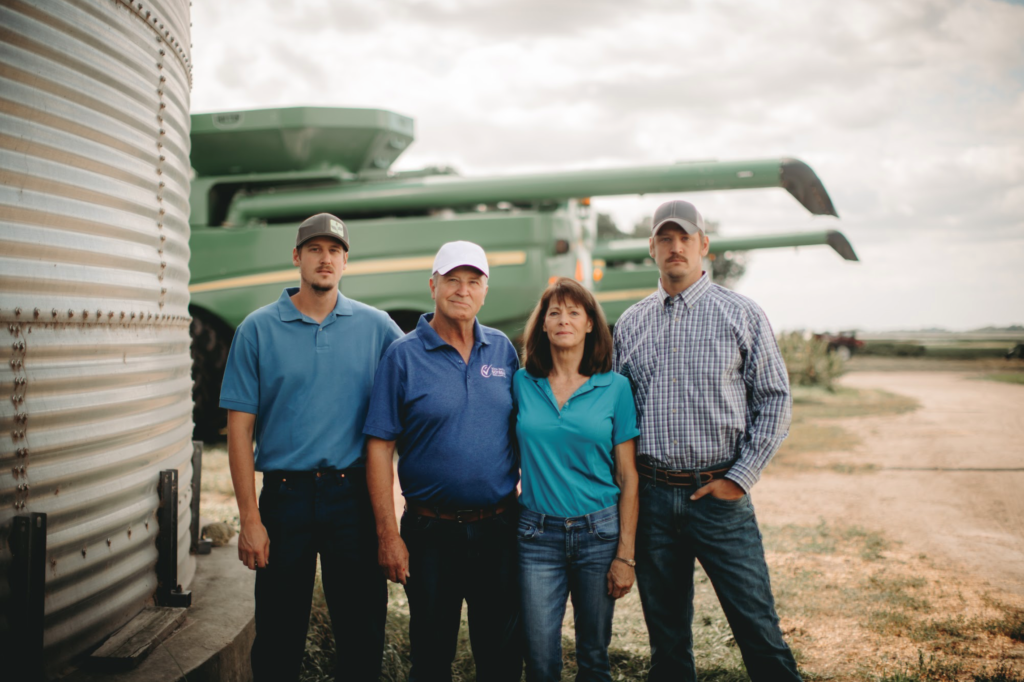
When asked about his farm goals, he’ll respond, “I plan to pass it to the next generation better than I received it.”
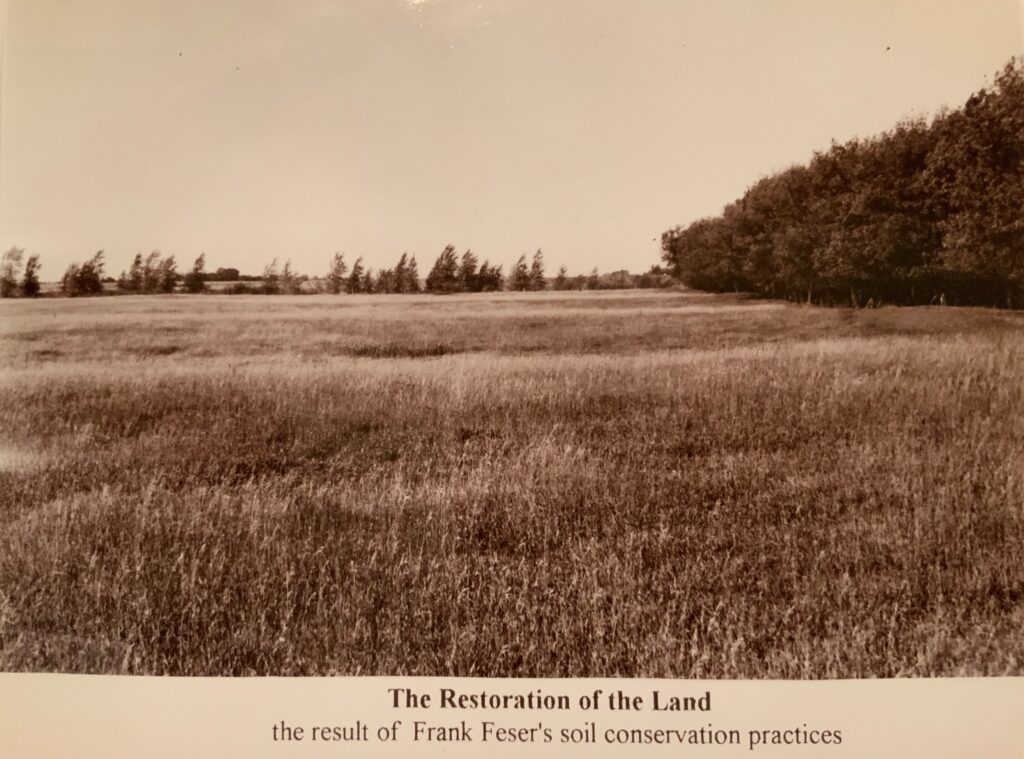
In fact, the family is carrying on a long legacy of conservation. Monica’s grandfather, Frank Feser, helped found soil conservation in South Dakota and then the U.S. By the 1930s, after years of conventional farming, rain was scarce, and South Dakota soil had turned extraordinarily dry, so much so that the wind blew it into drifts, much like snow.
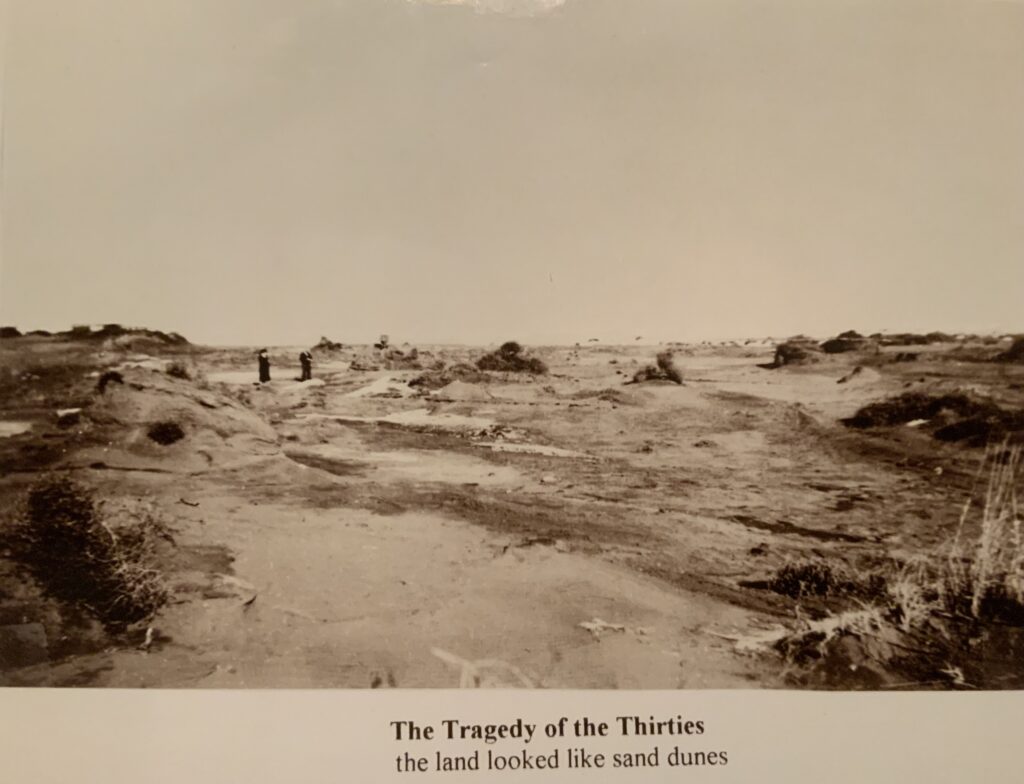
“Frank had the foresight to know the farming techniques they were using did not work long-term,” says McCranie. “He knew they couldn’t keep relying on adequate rainfall to sustain them.”
Feser and a small group of South Dakota farmers set out to save their soil and their farms. They started by requesting a soil survey, then formed a Conservation Association, with Feser as Chair. Later, the men would help found a similar national organization.
The South Dakota group planted cover crops to protect the soil from erosion, planted trees as windbreaks, began strip cropping and focusing on weed control and flood control around the rivers. As the years passed, their conservation practices expanded to contour-furrowing pastureland, wildlife management, rotational grazing, grass management and starting a watershed. By 1957, the tide had turned, and the soil was recovering. By 1967, the difference was dramatic, with richer soil and crops in neat rows and field grids.
Meanwhile in Montana, McCranie was growing up on a livestock farm, raising dairy cattle, then beef cattle and sheep. When his grandparents passed away in South Dakota, their farm called to him and his brother, and they spent planting, summers and harvest there before graduating and moving there full time.
“I realized this kind of farm was meant for me,” says McCranie. “But I wanted to see the world, and agriculture.”
Every winter, McCranie and a friend set out on a backpacking trip to a different country, with a particular focus on seeing what other farmers were doing. “I saw farmers in Fiji farming with an oxen and a plow; got an up-close look at Barranquilla, Colombia, one of the major exporting ports of the world; went into rural Brazil, where they were turning pastureland into soybean fields; and met Chinese farmers who were producing on less than a half hectare.” In all, they traveled to South America, Central America, Asia, Australia, New Zealand and Europe.
“It made me realize how we’re all interconnected and that it’s a world economy, especially agriculture,” he says.
During these years, Mike met Monica, who had family in his South Dakota town. They got married, had two sons and eventually had opportunities to purchase more family farmland. The McCranies’ land includes farm ground claimed by Mike’s grandfather in 1881.
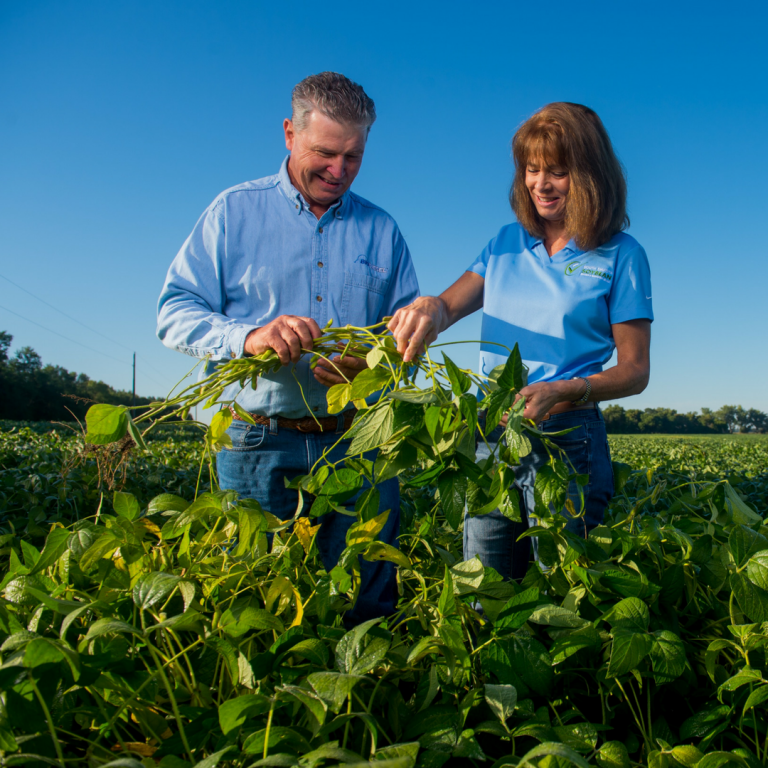
Sustainability remains the cornerstone of every hectare they farm. Sustainable farming for them includes practices such as no-till, strip till, variable rate fertilizer and seeding, GPS and autosteer, drones, data management, soil testing and conservation, planting and yield monitors.
Planters have auto shutoffs and row-by-row control. Both sons have taken classes in precision farming, and McCranie began using autosteer before any of the major manufacturers adopted it.
“Technology and biotechnology have been game changers,” he says. “I was one of the first ones in my area to adopt genetics with weed control and other traits. That’s important to me because it’s key to being able to leave more residue on the soil.”
In fact, McCranie never takes any residue off of his fields, only removing the seed. He no-tills into the residue, choosing spring timing because that way the soil is never bare, and they plant right into the strip.
Today, McCranie and his family carry on not only the legacy of conservation, but of volunteerism.
In addition to serving on the USSEC board for 6 years, McCranie is a United Soybean Board Director and served many years for his state soybean organizations. He was instrumental in bringing soybean crush plants to South Dakota. McCranie was also on the National Biodiesel Board. He is active in his community and, along with many agriculture organizations, serves his local church.
His sons carry that passion for serving. “They understand because they saw my wife and I volunteering for so many years,” McCranie says.” Both are volunteer firemen; one volunteers with the fish and wildlife service and became part of a national campaign for soybean-based firefighting foam.
As McCranie begins his term as USSEC Chair, his focus turns to export growth and diversification, understanding the critical and direct tie to his boys and the future.
“I’ve always known that the majority of soybean rows in the U.S. are exported,” he says. “So I knew I needed to get involved with USSEC because of my boys and the next generation. We need to make sure that future is there for them.”