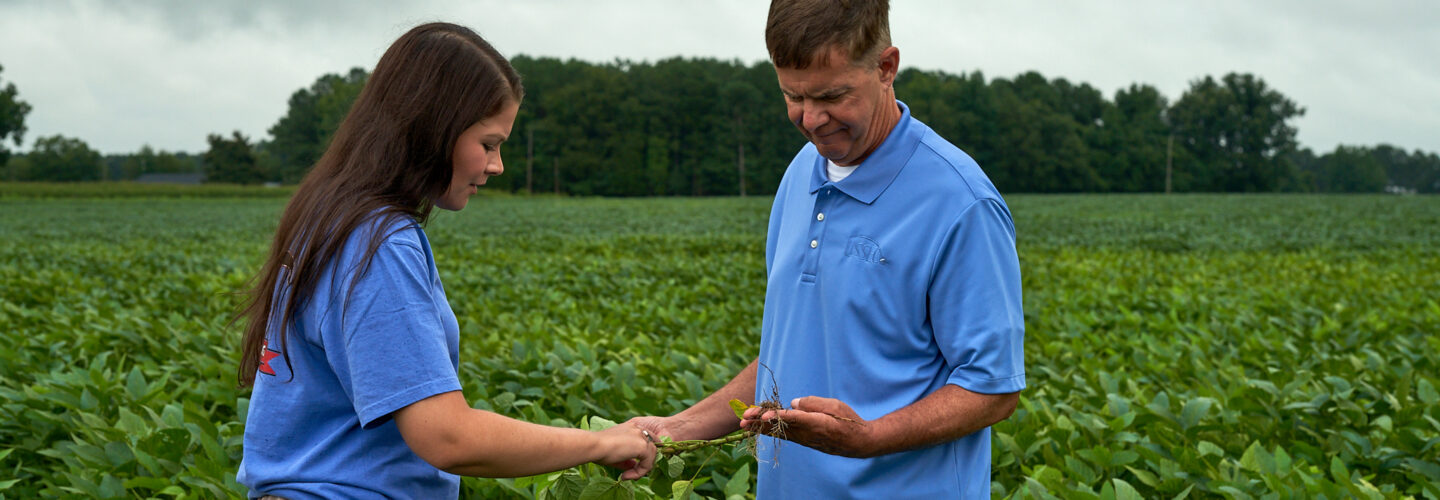
2025 Successes: New Tools Strengthening Confidence in U.S. Soy
As part of a year defined by hands-on engagement and strengthened global partnerships, USSEC also expanded its suite of tools and resources, turning trust into tangible support for customers across the value chain.
These tools bridge the gap between U.S. soybean production and international markets by turning data, science, and sustainability into practical, accessible resources. Together, they support USSEC’s mission to differentiate U.S. Soy on quality, reliability, and sustainability while making it easier for customers across the value chain to do business with U.S. soybean farmers.
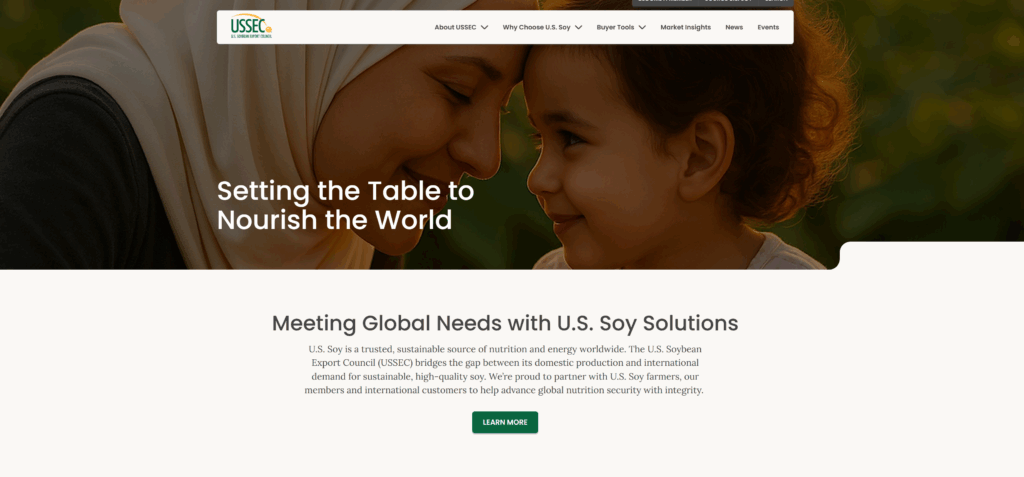
A World Class Digital Home for U.S. Soy
In 2025, USSEC unveiled a fully redesigned website that reflects how global customers engage with information today. The new site features a cleaner design, intuitive navigation, and improved access to key content, allowing users to more easily explore the benefits of U.S. Soy and find relevant tools, reports, and program information.
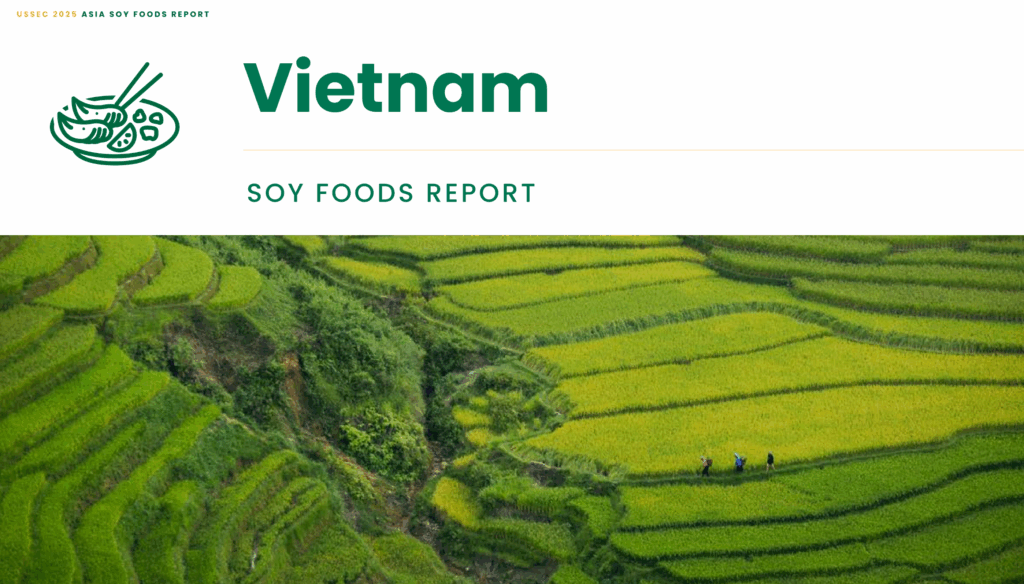
Deepening Market Insight for Soy Foods
USSEC released the 2025 Asia Soy Food Report, a comprehensive analysis of soy food consumption and trends across key Asian markets. The report examines country-level differences in products such as tofu and soy beverages, highlights evolving consumer preferences, and identifies emerging opportunities for U.S. soy food exports.
By providing clear, market-specific insight, the report helps customers better understand demand drivers and align sourcing strategies with future growth.
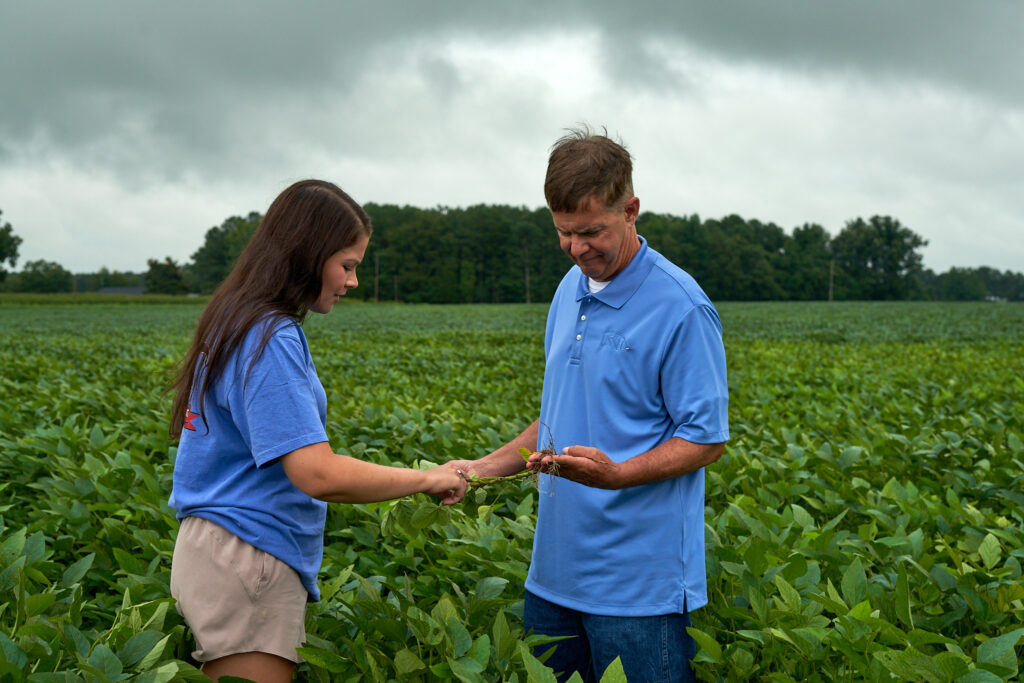
Supporting Non-GMO Soybean Demand
The Non-GMO Soybean Production Report delivers data-driven insight into U.S. non-GMO soybean acreage, production trends, and export demand. The report documents that 2.22 million acres were planted to non-GMO soybeans for food use in 2025 and outlines contract production and premium pricing dynamics.

Sustainability Tools That Translate Practice into Proof
Sustainability remains a key differentiator for U.S. Soy. In 2025, USSEC continued to expand the reach and impact of the U.S. Soy Sustainability Assurance Protocol, providing certificates that verify sustainable sourcing. SSAP tools support customers’ sustainability goals by enabling credible Scope 3 emissions reporting and meeting export documentation requirements, connecting on-farm practices to downstream accountability.
Advancing Animal Nutrition Decision-Making
To support livestock feed customers, USSEC introduced new animal nutrition tools grounded in performance and value. These include a global database of poultry and swine diets that helps demonstrate the premium value of U.S. Soy, as well as a calculator that illustrates the economic benefits of uniformity in broiler operations.
Together, these tools help nutritionists and producers quantify how U.S. Soy contributes to efficiency, consistency, and profitability.
Supporting the Global Aquaculture Sector
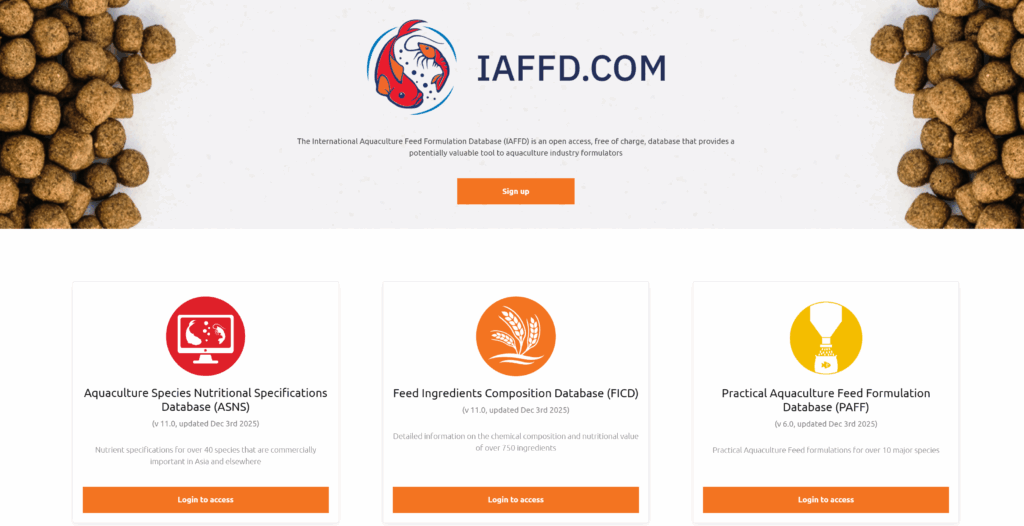
USSEC continues to fund, promote, and support ongoing maintenance and updates to the International Aquaculture Feed Formulation Database (IAFFD) which it helped establish. IAFFD is an open-access, science-based resource for aquaculture feed formulation that provides nutritionally balanced formulations designed to support performance while improving transparency and knowledge sharing across the global aquafeed industry.
Through this support, USSEC helps ensure the IAFFD remains a current, credible, and widely used tool for feed formulators, researchers, and industry professionals.
A Central Hub for Trusted Knowledge
USSEC’s Resource Library is a key source of valuable information for U.S. Soy customers. It is continually enhanced, and now includes more than 62 downloadable guides, reports, and reference documents covering animal nutrition, aquaculture, sustainability, soy foods, and oils.
Together, the new tools released in 2025 complement USSEC’s relationship-building efforts and market commitments. By pairing trusted partnerships with practical, science-based resources, USSEC continues to strengthen confidence in U.S. Soy and support informed decision-making across the global value chain.
Partially funded by the Soy Checkoff
#####