Sustainable Planting Practices Make U.S. Soy the Best Choice
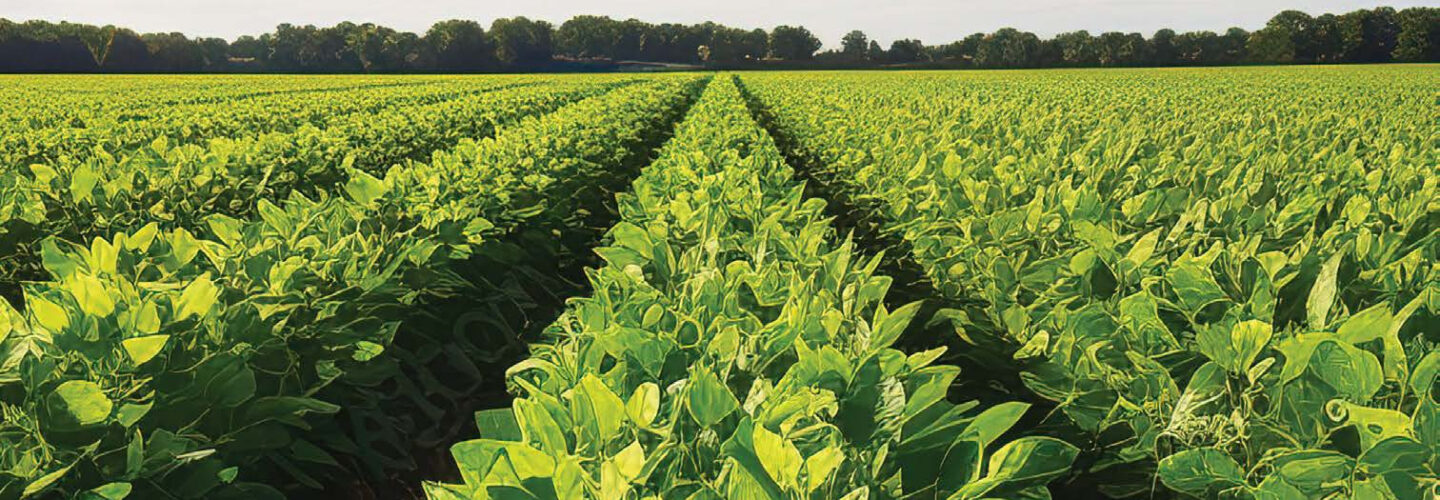
Across millions of acres this spring, U.S. soybean farmers are proving that record-breaking production can go hand-in-hand with sustainability. Projections show a 6% year-over-year increase in soybean acreage for 2026, shifting nearly 4.9 million acres from other crops to push soybean plantings above 86 million acres.1 Production is expanding to meet world demand, but the focus remains on the soil health and conservation practices that define these family farms, with a long-term view of protecting the land for future generations.
For U.S. Soy, sustainability is about the practical, everyday work farmers do in their fields. U.S. soybean farmers consistently work to grow more food with fewer resources, using practices that protect the soil, improve efficiency and reduce their environmental impact.
While the actual work in the field depends on the time of year, every step is part of a bigger, year-round effort to be more sustainable. These methods make U.S. Soy a responsible choice:
- Soil care: Using conservation tillage and cover crops to enrich soil health and support productive land.
- Resource protection: Managing water quality and protecting pollinator habitats to support the local ecosystem and food supply.
- Precision and efficiency: Using precision technology and detailed planning to improve farm efficiency.
Here is a detailed breakdown of how these practices drive environmental progress on the farm.
Improving soil health with reduced tillage
As farmers prepare their fields for spring planting, they protect the soil through conservation tillage. By reducing or eliminating tillage, farmers keep protective plant residue on the ground to reduce erosion and runoff. This groundwork creates healthier, carbon-rich soils and requires fewer tractor passes, which lowers fuel consumption and emissions.
To further protect the soil, farmers plant cover crops such as rye, oats, clover and turnips following harvest. Rather than leaving the ground bare through the winter months, they use these secondary crops to improve soil structure, prevent erosion and trap important nutrients. As these crops break down before the spring planting, they build organic matter and improve soil structure for the new soybean crop.
Methods for managing water quality and conservation
Spring often brings heavy rainfall, making water management a top priority during the planting season. U.S. soybean farmers protect local water systems by maintaining natural vegetation buffers and field terraces that manage the flow of water across the land. These practices prevent soil erosion and keep nutrients from washing into surrounding streams and rivers. This active management during the spring months helps maintain the health of the local watershed while the new crop takes root.
Protecting pollinators and biodiversity during planting
Pollinators provide a necessary service to agriculture, as 75%2 of crops grown globally benefit from pollination to survive. As they head into planting season, U.S. farmers work to support pollinators by planting new habitats and closely following pesticide labels to minimize their impact on beneficial insects that support the food supply.
When it comes to crop protection, farmers take a careful, science-based approach. They use practices such as field scouting, GPS technology, plant breeding innovation and biotechnology to help the crop reach its full potential. These methods protect the soybeans from pests and diseases while safeguarding the surrounding natural environment.
Using precision agriculture technology to optimize yields
During planting season, farmers rely on precision technology to target resources, improve efficiency and reduce costs. GPS guidance systems prevent tractor overlap to save fuel and help farmers plant in consistent rows across the field. When combined with variable-rate technology that applies fertilizers only where necessary, these tools create a focused agronomic strategy that conserves resources while improving crop yields right from the start of the season.
Driving sustainability through post-harvest planning
The end of harvest marks the start of post-harvest planning. By analyzing crop performance data alongside recent soil samples and equipment evaluations, U.S. soybean farmers build a plan for the upcoming growing season. This data dictates exact seed and nutrient requirements, conserving inputs and maintaining soil health.
A trusted choice for sustainable soy
Global buyers need sourcing partners that help them meet environmental regulations and market demands. U.S. Soy meets this need by using specific methods on the farm that protect the land while growing a large, consistent crop. Using precision tools and protecting local soil and water helps create a more transparent supply chain. This focus on continuous improvement means the market has access to a reliable volume of soybeans grown with proven methods.
Learn more about the U.S. Soy sustainability advantage: https://ussec.org/why-choose-us-soy/the-us-soy-advantage/sustainability/
Partially funded by the Soy Checkoff
1 Farmers say they plan to plant a lot more soybeans in 2026, Farm Progress, Pam Caraway, March 2026
2 Pollinator Biodiversity, U.S. National Science Foundation, July 2018